Unlocking Flavor: Top Stainless Steel Pressure Cookers Reviewed
Homepage Unlocking Flavor: Top Stainless Steel Pressure Cookers Reviewed
Unlocking Flavor: Top Stainless Steel Pressure Cookers Reviewed
Why Stainless Steel Pressure Cookers Transform Your Kitchen
A stainless steel pressure cooker delivers faster meals, better flavor, and best durability—often replacing multiple appliances in your kitchen. Here’s what you need to know when comparing models:
Key Comparison Factors:
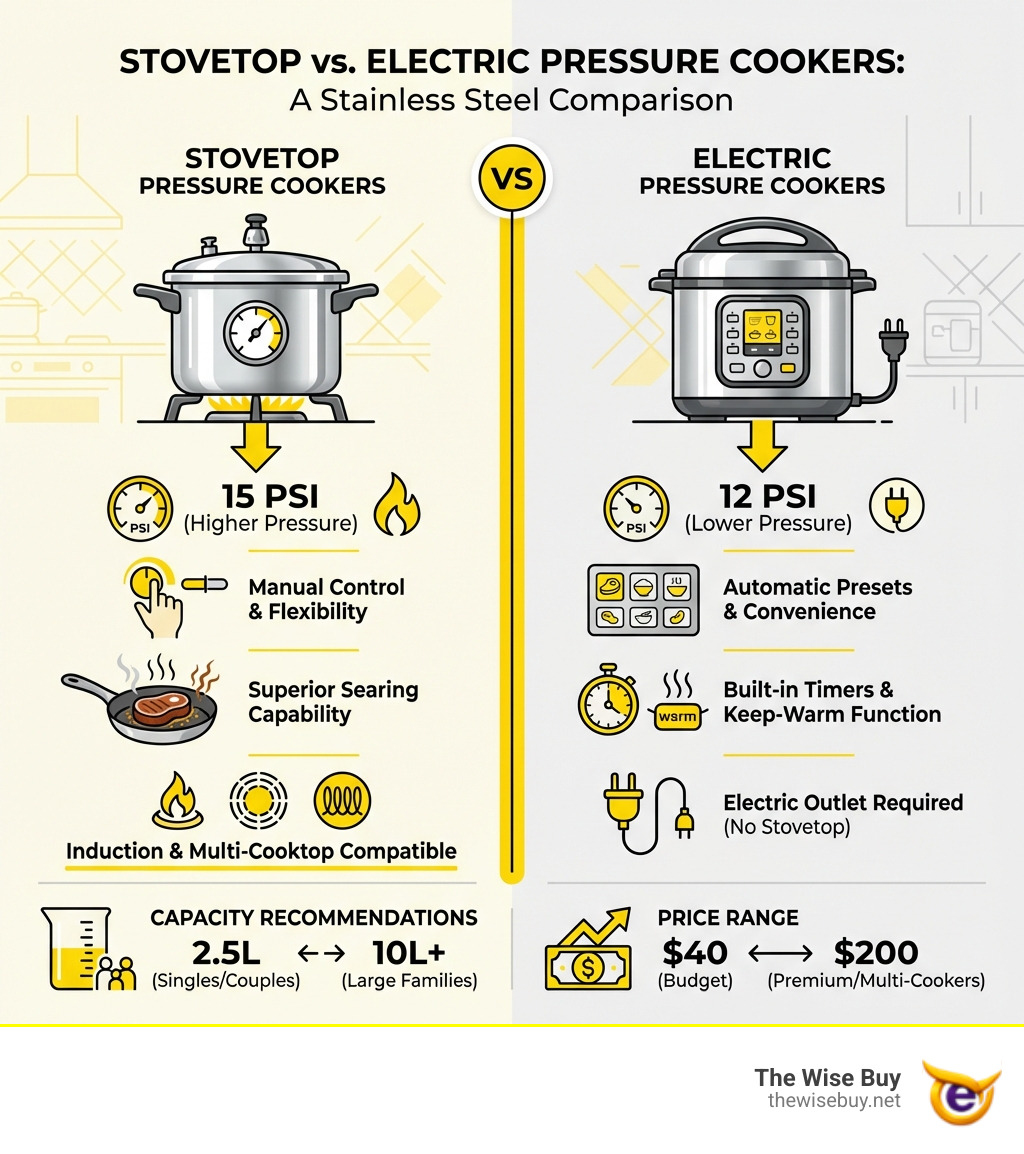
Stovetop vs. Electric: Stovetop models reach higher temperatures (up to 15 PSI) and excel at searing, while electric versions offer convenient presets and automatic controls
Material Quality: Stainless steel outperforms aluminum with superior durability, even heat distribution, and resistance to corrosion and acidic foods
Capacity Range: From 2.5L for singles to 10L+ for large families
Price Range: Budget options start around $40, while premium multi-cookers reach $150-200
Essential Features: Look for secure locking mechanisms, multiple pressure settings, and compatibility with your cooktop (including induction)
Pressure cooking isn’t just about speed—though reducing cooking time by up to 70% certainly helps on busy weeknights. This cooking method concentrates flavors and preserves nutrients better than conventional methods. The pressurized chamber raises water’s boiling point to 120°C (248°F), creating tender meats and perfectly cooked grains in a fraction of the usual time.
The real question is whether you need a traditional stovetop model or a modern electric multi-cooker. Stovetop versions give you complete control and superior searing capabilities, while electric models simplify the process with one-touch programs. Both types benefit from stainless steel construction, which provides a non-reactive cooking surface that won’t leach into your food or react with acidic ingredients.
Why a Stainless Steel Pressure Cooker is a Kitchen Must-Have
A stainless steel pressure cooker is a kitchen essential for good reason, offering a unique blend of benefits that transforms the cooking experience.
First is durability. Stainless steel is famously strong and resilient, built to withstand daily use for years, often becoming a family heirloom. Second is even heat distribution. Quality models feature an encapsulated base that spreads heat uniformly, preventing hot spots and ensuring food cooks perfectly. This is often achieved with an “18/10 Stainless Steel interior for durability and even heat distribution.”
Another key advantage is its non-reactive surface. As a non-porous material, stainless steel won’t react with acidic foods like tomatoes or citrus, ensuring pure flavor without any metallic taste. This also makes it a healthier choice, as no materials will leach into your food. The searing performance of a stovetop model is a game-changer for building flavor. Its ability to reach high temperatures is ideal for browning meats and aromatics directly in the pot, adding a depth that many electric models can’t replicate.
While both stovetop and electric models benefit from stainless steel, stovetop versions often have a higher PSI capability, reaching 15 PSI compared to the typical 12 PSI of electric cookers. This higher pressure means slightly faster cooking times. Furthermore, pressure cooking excels at nutrient retention by preserving vitamins and minerals. This makes a stainless steel pressure cooker a smart addition to any modern Home Kitchen.
Stovetop vs. Electric: A Performance Showdown
Choosing between a stovetop and an electric pressure cooker depends on your cooking style.
Searing & browning: Stovetop models excel here. Their direct heat source allows for higher temperatures and superior searing, creating a rich crust that electric models often can’t match. As one expert noted, “stovetop pressure cookers are more efficient [for searing and sautéing]. They have a wider base and can reach higher temperatures.” This is crucial for building flavor in dishes like brisket or goulash.
Temperature control: Electric multicookers offer convenient digital controls, some allowing precise adjustments like the Breville Fast Slow Pro’s 0.5 psi increments. This automation is very user-friendly. Stovetop models require manual monitoring via your burner, which experienced cooks may prefer for its hands-on control.
Cooking speed: Both types reduce cooking times by up to 70%. However, stovetop models can be slightly faster due to their ability to reach 15 PSI, while most electrics max out at 12 PSI.
Convenience: Electric models are the clear winners for convenience. They are “easy to program and cook with” and require “little to no experience” due to presets and automatic functions like steam release. Some even have Wi-Fi connectivity. Stovetop models require more manual attention.
Versatility: Electric multi-cookers are incredibly versatile, often combining 7-10 appliances in one (pressure cooker, slow cooker, rice cooker, yogurt maker, etc.), making them great space-savers. Stovetop models are primarily for pressure cooking but can also serve as a large stockpot.
Stainless Steel vs. Aluminum: Durability and Health
The material of your pressure cooker impacts its longevity, performance, and health. We firmly recommend stainless steel over aluminum.
Longevity: Stainless steel is a highly “durable material that ensures long-lasting performance.” It resists denting, warping, and scratching far better than aluminum, making it a wise long-term investment.
Heat conductivity: While aluminum conducts heat well, modern stainless steel pots use encapsulated bases with aluminum or copper cores. This design provides the even heating of aluminum with the durability and non-reactivity of stainless steel, ensuring “cookpots are more durable and heat more evenly than aluminum” in these constructions.
Non-porous material: Stainless steel is non-porous and has a non-reactive surface. It won’t absorb flavors or odors. In contrast, aluminum can react with acidic ingredients like tomatoes or lemons, potentially altering food’s taste and leaching small amounts of metal into it.
Resistance to corrosion: Stainless steel is highly resistant to rust and corrosion, making it easy to maintain. Aluminum can pit or discolor over time, especially with certain foods or detergents.
Suitability for acidic foods: Its non-reactive nature makes stainless steel perfect for cooking acidic dishes, from tomato stews to lemon chicken. This peace of mind makes it the ideal choice.
Our Top Picks: The Best Stainless Steel Pressure Cooker Models
Choosing the right stainless steel pressure cooker is easier when you know what to look for. We evaluate models based on these key features:
Capacity: Match this to your household. Cookers are only filled to 2/3 capacity (less for expanding foods). A 6.0-liter unit is great for families, while 2.5-liter models suit singles.
Pressure settings: Look for at least two settings (low and high) for versatility. Electric models often have helpful pre-programmed settings.
Safety mechanisms: Non-negotiable features include a secure lid lock, multiple pressure release valves, and a float valve to indicate pressure.
Cooktop compatibility: For stovetop models, ensure compatibility with your stove (gas, electric, induction). Most modern stainless steel cookers are induction-ready.
Price range: Quality models range from $70 to over $200. We focus on the sweet spot between affordability and performance.
Best Overall: The Versatile Multi-Use Cooker
For ultimate convenience, a multi-use electric pressure cooker with a stainless steel inner pot is the best overall choice. These appliances redefine kitchen efficiency.
Our top picks, like the Instant Pot Pro 10-in-1 or Duo Plus 8-Quart, are culinary powerhouses. They save space by offering multiple cooking functions in one appliance: pressure cooker, slow cooker, rice cooker, sauté pan, and more. Their user-friendly presets take the guesswork out of cooking everything from beans to brisket. Many feature a stainless steel inner pot with a 3-ply bottom for even heating, which is often dishwasher-safe for easy cleaning. Some even offer Wi-Fi for remote programming, making meal prep effortless.
Best for Traditionalists: The Reliable Stovetop Model
For cooks who value control and searing power, a classic stovetop stainless steel pressure cooker is unparalleled.
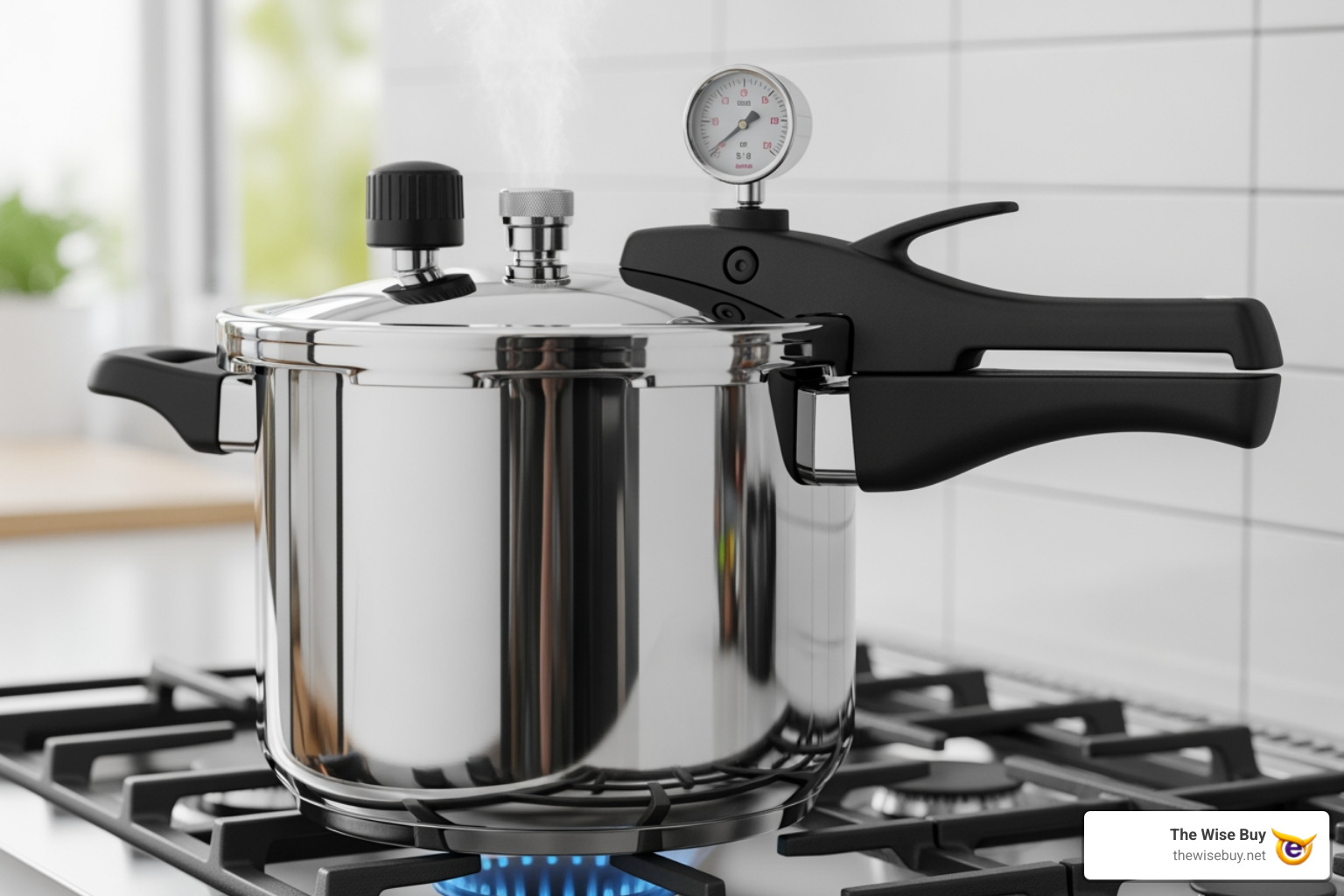
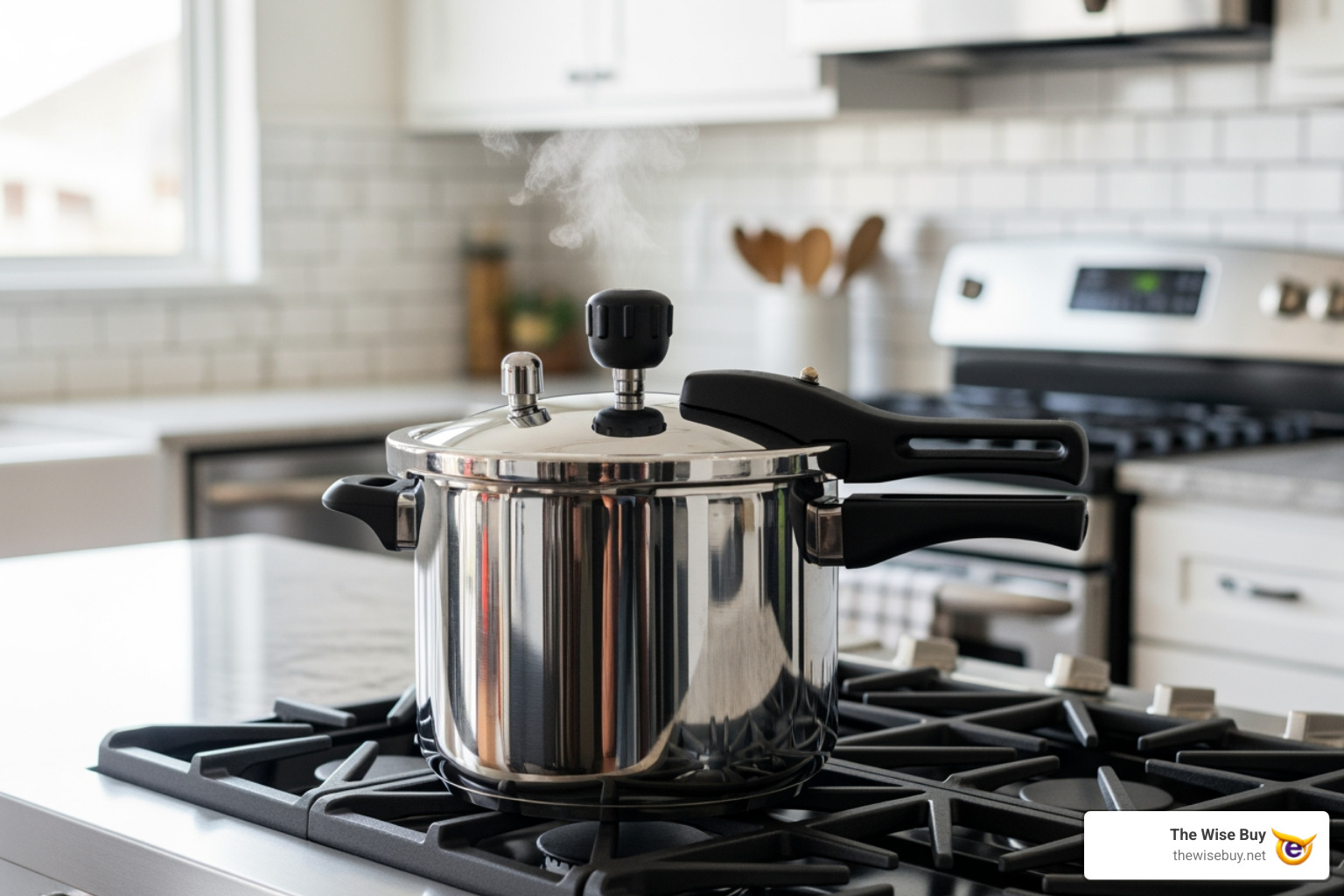
Models like the T-Fal Clipso or Fissler Vitaquick exemplify this category with their classic design and robust construction. They are known for high PSI cooking (up to 15 PSI), enabling faster cooking and exceptionally tender results. The durable construction ensures they last for years and are compatible with all cooktops, including induction. These large-capacity pots are also ideal for canning, providing a non-reactive vessel for safely preserving both high- and low-acid foods, a crucial task for home preservers.
Best Budget-Friendly Stainless Steel Pressure Cooker
Investing in a stainless steel pressure cooker doesn’t have to break the bank. There are excellent options available that offer solid performance and the benefits of stainless steel without the premium price tag, making them great for beginners or those on a tighter budget.
For affordable quality, look for a model like the T-Fal Clipso Pressure Cooker (often available around $70-80). These models focus on essential functions and reliable performance rather than a multitude of bells and whistles. Key features to look for in a budget-friendly option include simple operation, making them easy for anyone to use. A secure locking lid is, of course, paramount for safety, and even budget models will incorporate robust safety mechanisms. They are great for beginners looking to explore pressure cooking without a significant upfront investment.
Mastering Your Cooker: Safety, Use, and Maintenance
Operating a stainless steel pressure cooker is simple and safe once you understand its mechanisms. Modern cookers have multiple safety features, making them far safer than older models.
Key among these are lid locking systems. A cooker won’t build pressure unless the lid is secure, and modern designs prevent it from opening while pressurized. As research highlights, “The lid is the most important part of a pressure cooker. If it’s not locked securely, the pot won’t pressurize. Worse, steam may unexpectedly and violently escape, and the lid can blow off the pot mid-cooking.” Modern safeguards prevent this. Other features like pressure release valves, an overpressure plug, and a float valve (which shows when it’s safe to open) provide additional layers of safety. The most important advice is to read the manual, as it “contain[s] vital safety information and cooking instructions that should not be discarded.” While you’re at it, you might also find other useful kitchen tools like Food Processors to improve your culinary adventures!
How to Choose the Right Stainless Steel Pressure Cooker
Consider these factors to select the perfect stainless steel pressure cooker:
Household size: A 2.5-3.5 liter model works for 1-2 people, while 4.5-6.0 liters is ideal for a family of 3-4. For batch cooking or canning, consider 8.0 liters or more.
Cooking habits: Do you prefer the hands-on control of a stovetop model or the set-it-and-forget-it convenience of an electric multi-cooker?
Storage space: Ensure you have adequate counter or cabinet space, especially for larger electric models.
Induction compatibility: If you have an induction cooktop, verify that your chosen stovetop model is compatible.
Budget considerations: Determine your essential features and budget. Higher prices often mean more features, larger capacity, or premium branding.
Essential Maintenance for Your Stainless Steel Pressure Cooker
Proper care ensures your stainless steel pressure cooker remains safe and efficient for years.
Cleaning the gasket: Remove and wash the lid’s sealing ring (gasket) after each use. Replace it if it becomes cracked or brittle, typically “after a maximum of 400 cooking processes or after 2 years at the latest.”
Washing the pot: The stainless steel pot is usually dishwasher safe, but handwashing is recommended to preserve its finish.
Checking the valves: Before and after each use, inspect the pressure and float valves for any food debris. A small brush or toothpick can help clear blockages.
Removing stains: Harmless discoloration from water or salt can be removed with a stainless steel cleaner or a paste of baking soda and water. Avoid abrasive scrubbers.
Storage tips: Store the cooker with the lid inverted or ajar to allow air circulation and prevent odors.
Frequently Asked Questions about Stainless Steel Pressure Cookers
We understand you might have more questions about making the most of your stainless steel pressure cooker. Here are some common queries we encounter:
What types of dishes are best suited for a stainless steel pressure cooker?
A stainless steel pressure cooker is incredibly versatile. It excels at dishes that benefit from high-pressure, high-temperature cooking, such as:
Tough meat cuts: Brisket, short ribs, and pot roasts become fork-tender in a fraction of the time.
Dried beans: Cook dried beans quickly without overnight soaking for creamy results in chilis and soups.
Grains like risotto: Achieve perfect, creamy risotto in just 5-6 minutes without constant stirring.
Soups and stews: Intensify flavors to taste like they’ve simmered all day.
One-pot meals: Cook curries, pasta, and more in a single pot for easy cleanup. You can prepare “fries, snacks, meat, vegetables, chicken, and world cuisine” with ease!
Can you use a stainless steel pressure cooker for canning?
Yes, a large stainless steel pressure cooker can be an excellent tool for canning. Its non-reactive surface is superior for food preservation, as it won’t react with acidic ingredients.
While high-acid foods (fruits, jams, pickles) can be processed in a boiling water bath, low-acid foods (vegetables, meats, seafood) require pressure canning. This is a critical safety step to destroy Clostridium botulinum spores, which can cause botulism. A pressure canner reaches the necessary 240°F (115.6°C) to ensure safe preservation.
When canning, always follow tested recipes and current USDA home canning guidelines for safety. Ensure you monitor pressure carefully and use proper sealing techniques. While some dedicated canners are aluminum, a heavy-duty stainless steel pressure cooker is a great multi-purpose option.
How do I prevent food from burning in my stovetop pressure cooker?
Burning food in a stovetop pressure cooker is usually preventable with a few simple practices:
Sufficient liquid: This is perhaps the most crucial factor. You must always add enough liquid for pressure to build and to prevent food from scorching. Most pressure cooker recipes specify the minimum liquid required.
Proper heat management: Once your stovetop pressure cooker reaches full pressure, reduce the heat to the lowest setting that maintains pressure. Don’t keep the burner on high.
Deglazing the pot: If you’ve seared meats or sautéd aromatics, ensure you deglaze the bottom of the pot thoroughly with liquid (scraping up any browned bits) before sealing the lid. These stuck-on bits can easily burn.
Not overfilling: Never fill your pressure cooker beyond its recommended maximum fill line (typically 2/3 full). For foods that expand or foam (like rice or beans), fill no more than halfway.
Conclusion
The stainless steel pressure cooker truly stands out as a transformative tool in the modern kitchen. Its myriad benefits — from the best durability and even heat distribution of its construction to its ability to lock in flavor and dramatically cut down on cooking speed — make it an indispensable appliance for anyone passionate about cooking. Whether you’re a busy professional, a family cook, or an aspiring culinary artist, the efficiency and quality it brings to your meals are undeniable.
At The Wise Buy, we’re all about helping you make smarter choices for your home. We believe in providing quality products that offer both competitive pricing and exceptional value, often with discounts and free shipping on orders over $100. Finding your perfect model means considering your unique needs, from capacity and cooktop compatibility to budget and preferred cooking style.
We hope this guide has helped open up the potential of the stainless steel pressure cooker for you. It’s more than just a pot; it’s an investment in faster, healthier, and more delicious meals.

 Add more eligible items to your cart to unlock free shipping.