Playroom Perfection: Clever Toy Storage Solutions for Every Home
Homepage Playroom Perfection: Clever Toy Storage Solutions for Every Home
Playroom Perfection: Clever Toy Storage Solutions for Every Home
Why Toy Storage Bins Transform Your Home
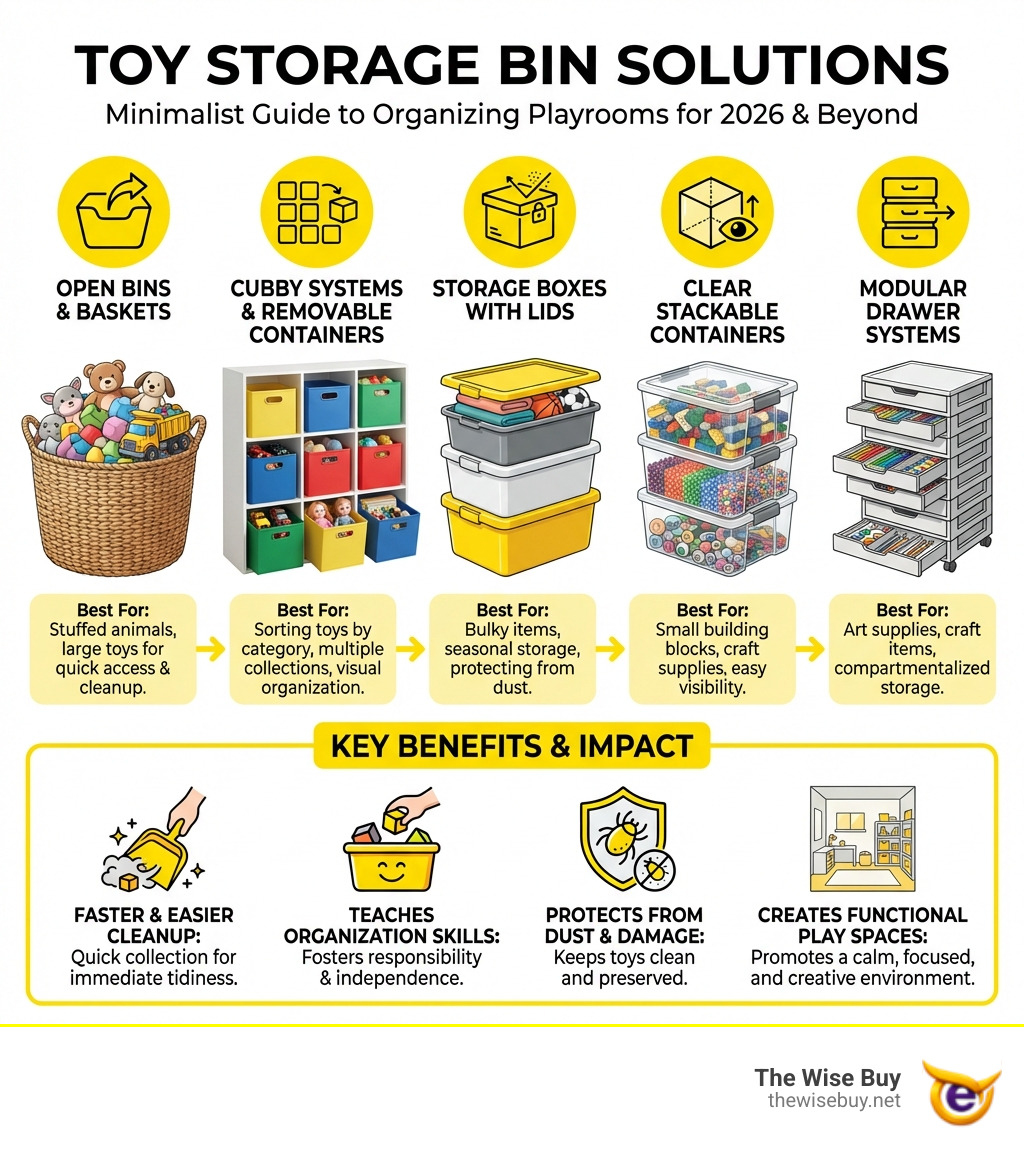
Toy storage bins are essential containers designed to organize, contain, and protect children’s toys while reducing clutter in play areas. Here’s what you need to know:
Quick Answer: Best Toy Storage Bin Options
Storage Type
Best For
Key Benefit
Open Bins & Baskets
Stuffed animals, large toys
Quick access and cleanup
Cubby Systems
Multiple toy categories
Visual organization
Storage Boxes with Lids
Bulky items, seasonal toys
Dust protection, stackable
Clear Plastic Containers
LEGOs, small parts
Easy visibility
Modular Drawers
Art supplies, craft items
Compartmentalized storage
Let’s be honest: stepping on a LEGO brick at 2 AM is a special kind of torture. And if you have kids, you’ve probably experienced that moment when you can barely see the floor under all the toys, games, and random plastic bits.
Toy clutter isn’t just annoying—it’s stressful. According to product listings from major retailers, there are hundreds of toy storage solutions available, ranging from simple bins to comprehensive systems. With hundreds of products listed under ‘Kids Storage & Organizers’ at major retailers, the market clearly recognizes this universal challenge.
But here’s the good news: the right toy storage bins can transform chaos into calm. When toys have a designated home, cleanup becomes faster, kids learn responsibility, and your living space feels more peaceful. Research shows that organized play spaces can even foster creativity and reduce overstimulation in children.
Whether you’re dealing with a mountain of stuffed animals, a LEGO collection that’s taken over three rooms, or art supplies scattered across every surface, there’s a storage solution that fits your space, budget, and style.
Why Toy Storage Bins are a Game-Changer for Organization
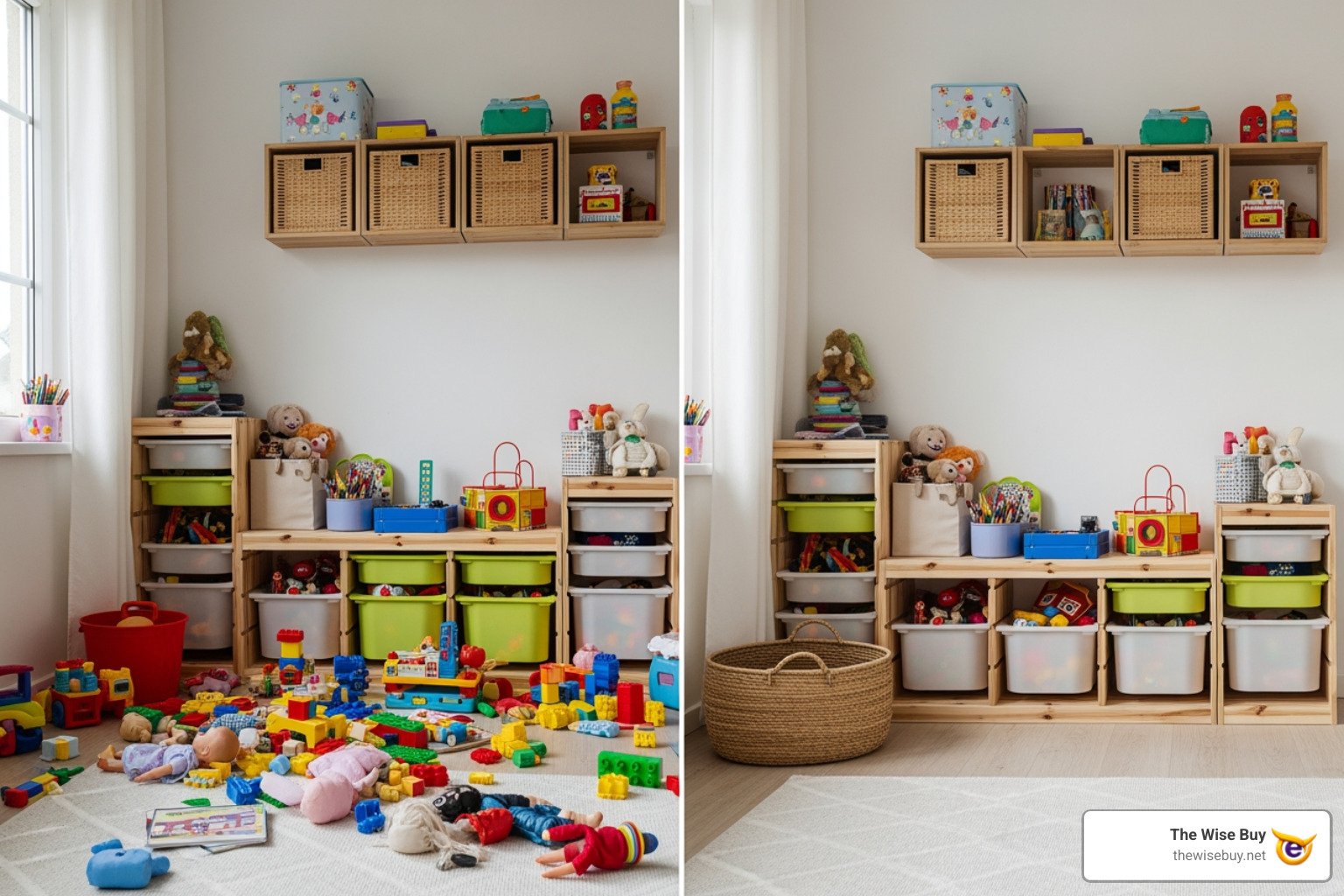
We’ve all been there: a playroom that looks like a toy bomb exploded, leaving parents and children alike feeling overwhelmed. This is where toy storage bins come to the rescue, acting as true game-changers in the battle against clutter. They offer a simple yet incredibly effective solution to keep your child’s play area organized and functional.
One of the most immediate benefits is the creation of clutter-free play areas. When every toy has a designated home, the floor space opens up, making it safer and more inviting for play. This change from a chaotic mess to a tidy environment is not just aesthetically pleasing; it significantly reduces stress for both children and adults.
Beyond aesthetics, toy storage bins are powerful tools for teaching responsibility. When children know where their toys belong, they can participate in the cleanup process. Having a specific place for everything makes tidying up much easier, and fun, nice-looking toy storage increases the chances of it getting done. This empowers children to take ownership of their space, a valuable life skill.
Easy cleanup becomes a reality, not a distant dream. Instead of a daunting task of sorting through a mountain of toys, kids can simply toss similar items into their respective bins. This streamlined process encourages them to tidy up regularly, preventing small messes from becoming impossible.
Furthermore, these bins are crucial for protecting toys. Delicate items, puzzles with small pieces, or beloved collectibles can be safeguarded from damage, dust, or being stepped on (saving us from that painful LEGO experience!). Many bins come with lids, offering an extra layer of protection and keeping contents contained.
Toy storage bins help in creating functional spaces. A bedroom can transition from a sleep zone to a play zone and back again seamlessly. A playroom can become a multi-purpose area for crafts, reading, and imaginative play, all thanks to an organized system that keeps everything accessible yet out of the way when not in use.
The Benefits of a Tidy Play Space
A well-organized play space, facilitated by smart toy storage bins, offers far more than just a clean room. It profoundly impacts child development. Children thrive in environments where they can easily find what they need and put it away. This structure reduces sensory overload and allows for more focused and meaningful play.
An uncluttered space actively fosters creativity. When children aren’t overwhelmed by too many choices or distracted by disarray, their imaginations have room to flourish. They can concentrate on one activity at a time, diving deeper into pretend play or complex building projects.
Reducing overstimulation is another key advantage. A deluge of toys can be counterproductive, leading to children flitting from one item to another without truly engaging. Organized bins help in presenting a manageable selection of toys, promoting deeper engagement.
This organized environment also encourages independent play. When toys are accessible and clearly categorized, children can choose their activities without constant adult intervention. They learn problem-solving skills as they steer their play space and select appropriate toys.
Finally, by making the cleanup process simple and intuitive, we can help in making tidying fun. Stepping on building blocks or tiny plastic toys can be a painful memory of the past! When children associate tidying with preventing such mishaps and with the satisfaction of a clean space, it becomes a positive habit rather than a chore.
From Chaos to Calm: A System for Everything
The journey from a chaotic playroom to a calm, organized haven begins with a system. Toy storage bins are the building blocks of this system, allowing us to implement strategies like categorizing toys. Instead of a general “toy box,” consider bins for “building blocks,” “stuffed animals,” “art supplies,” or “doll accessories.” This helps children quickly identify where things belong.
The goal is to provide designated spots for every toy. This means no more guessing games about where an item should go. Modular systems are excellent for this, offering frames and boxes in various sizes that can be combined to create custom solutions.
Crucially, the system must prioritize accessibility for kids. Bins should be at a height children can easily reach, and heavy lids or complex latches should be avoided, especially for younger ones. Open bins or cubby systems are ideal for promoting independence.
Many experts also recommend rotating toys. Not all toys need to be out at once. By storing some toy storage bins away and bringing them out periodically, you can keep playtime fresh and reduce clutter. This also makes the “new” toys feel exciting again.
Finally, a good system leads to a simplified tidying routine. It’s a good idea to schedule regular managing sessions to check each toy, get rid of broken ones, identify toys kids never play with, and check for toys kids might have outgrown. This proactive approach, combined with easy-to-use bins, ensures that the system remains effective over time. Pass on unused toys to someone who’ll enjoy them, and everyone benefits!
Choosing the Perfect Toy Storage Bins for Your Needs
Selecting the ideal toy storage bins isn’t a one-size-fits-all endeavor. It requires careful consideration of several factors, including the types of toys you need to store, the available space, and your aesthetic preferences. We look for key features, consider the materials they’re made from, and ensure we get the sizing just right, all while keeping safety paramount.
The market offers a vast array of options. From simple fabric bins to elaborate wooden chests, understanding your needs is the first step to finding the perfect match.
Key Features to Look For
When diving into toy storage bins, certain features stand out as crucial for functionality, durability, and ease of use:
Lids vs. Open Tops: This is a fundamental decision. Bins with lids are excellent for concealing clutter, protecting contents from dust, and allowing for stackability. Some can even double as seating, like a bench with toy storage. Open-top bins, such as many fabric or wicker baskets, offer quick and easy access, which is great for frequently used toys or larger items like stuffed animals.
Stackability: For maximizing vertical space, stackable bins are invaluable. Many toy storage bins are designed to stack neatly, making the most of closets or corners. Modular systems often feature stackable boxes within frames, allowing for flexible configurations.
Durability: Kids can be tough on their belongings. Look for robust construction, especially if the bins will be frequently handled or contain heavy items. Materials like sturdy plastic or solid wood generally offer higher durability.
Portability and Handles: Bins that can be easily moved from one room to another for play or cleanup are a huge plus. Reinforced handles, as seen on some fabric toy organizers, make transportation simple, even for little hands.
Safety Features: Especially for larger toy boxes or chests, safety hinges are a must to prevent lids from slamming shut on fingers. Look for features like soft-close lids for safety. Rounded corners are also a good idea to minimize bumps and scrapes in a child’s play area.
Decoding Materials: Plastic, Wood, Fabric, and More
The material of your toy storage bins impacts not only their look but also their durability, ease of cleaning, and cost. Here’s a quick comparison:
Material
Durability
Cost
Ease of Cleaning
Aesthetics
Plastic
High (resistant to impact, water)
Low to Medium
Very Easy (wipe clean)
Modern, functional, often clear
Wood
High (sturdy, long-lasting)
Medium to High
Medium (wipe, may need polishing)
Classic, warm, natural
Fabric
Medium (can tear, stain)
Low
Medium (spot clean, some washable)
Soft, colorful, foldable
Wicker/Natural Fiber
Medium (can fray, less water-resistant)
Medium
Medium (dust, spot clean)
Rustic, textured, decorative
Plastic: Plastic toy storage bins are a popular choice. They are incredibly durable, resistant to spills, and very easy to clean. Clear plastic bins are fantastic for visibility, allowing kids to see contents at a glance. They are often stackable and come in a wide range of colors and sizes.
Wood: Wooden toy storage, such as wooden toy boxes or modular frames, offers a classic, sturdy, and often more aesthetic option. They are durable and can be painted or stained to match decor. However, they tend to be heavier and more expensive. Manufactured wood is also a common material found in many kids’ storage organizers.
Fabric: Fabric bins are lightweight, often foldable, and come in countless colors and patterns. They’re great for soft items like stuffed animals or clothes. While generally less durable than plastic or wood, many are designed with reinforced handles for added strength. Some are even washable.
Wicker/Natural Fiber: Options like water hyacinth bins offer a rustic, natural look. They are decorative and can blend well with various room decors. They are generally less durable than wood or plastic and may require more careful cleaning.
Sizing Up Your Storage: How to Choose the Right Size Toy Storage Bins
Choosing the right size is crucial for effective organization. The goal is to match the bin to the toy type and the available space.
Stuffed Animals: These fluffy friends often benefit from large, open bins or baskets. Fabric bins or soft wicker baskets are ideal as they are gentle on the toys and allow for easy “tossing in.” A large box with a lid could also work for bulky items like these.
Building Blocks (LEGOs, DUPLOs): For small, numerous items like building blocks, compartmentalized containers or clear plastic bins with lids are excellent. This allows for sorting by color or type and prevents pieces from getting lost. Large storage drawers or containers with tall inserts are designed for this. Modular drawers can also provide customizable storage for these items.
Art Supplies (markers, crayons, paper): Smaller, often clear bins or modular drawers with dividers are perfect for art supplies. This keeps different items separated and easily visible. Clear deep document cases or craft cases are good examples.
Board Games/Puzzles: These typically fit well into square or rectangular bins or cubby shelves. Flat, lidded boxes can stack neatly, keeping game components together.
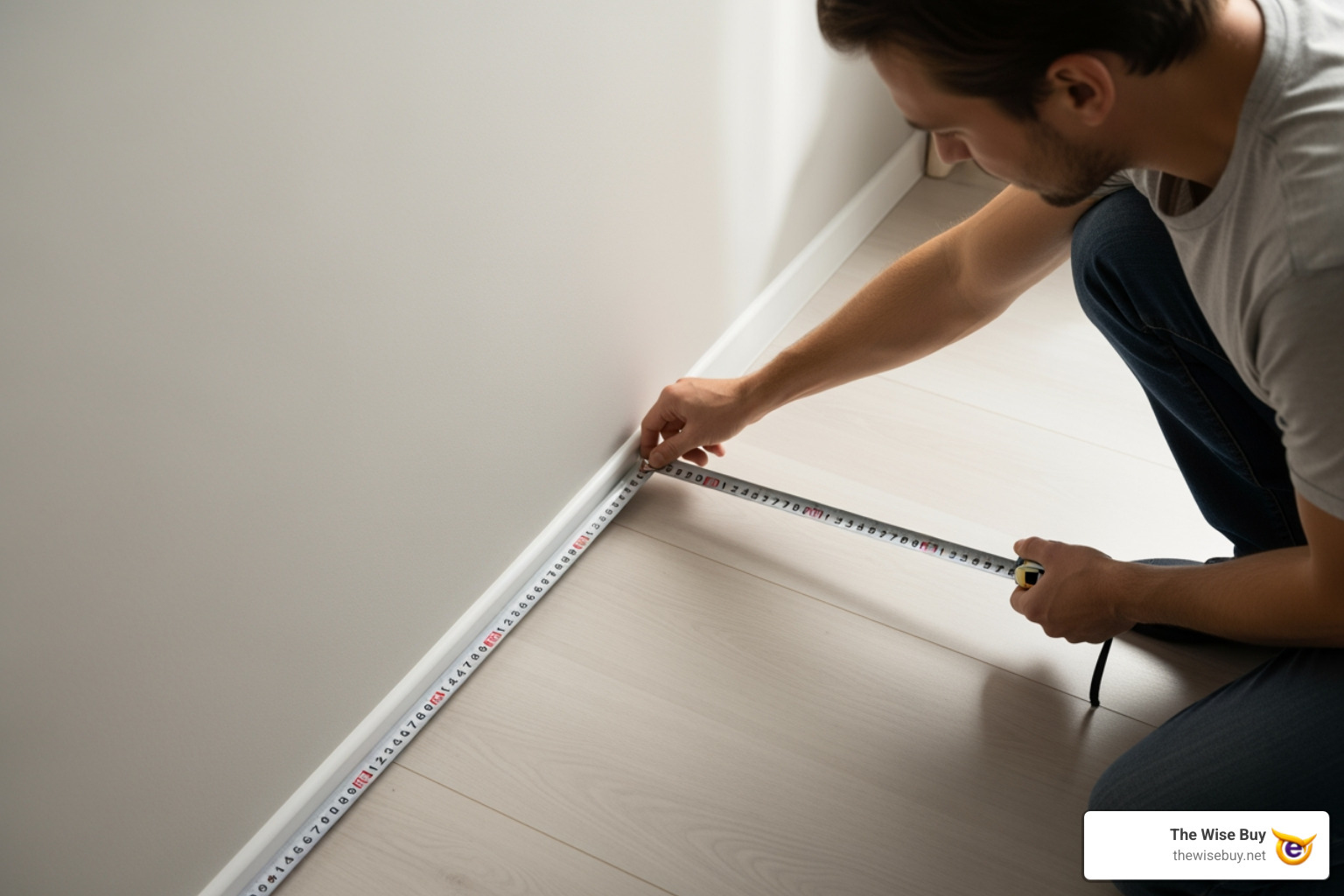
Considering Room Dimensions: Before purchasing, measure the space where the toy storage bins will go. Will they fit under a bed, in a closet, or on a shelf? Modular systems come in various dimensions, allowing for customization to fit your specific room layout, whether you need a horizontal frame or a tall, vertical setup. Don’t forget to account for walking paths and door swings!
A Guide to Different Types of Toy Storage Solutions
With so many toys and so many rooms, a single type of storage won’t cut it. Luckily, toy storage bins offers a diverse range of solutions, each custom to different needs and toy types. Let’s explore some of the most popular and effective options.
Top 5 Toy Categories and Their Ideal Bin Type
Stuffed Animals: Large, open fabric bins or soft baskets.
Building Blocks (LEGOs): Clear, lidded plastic bins or modular drawers with compartments.
Art & Craft Supplies: Small, clear plastic containers or multi-drawer organizers.
Board Games & Puzzles: Rectangular lidded bins or cubby shelves.
Action Figures/Small Dolls: Medium-sized lidded bins or cubby compartments.
Classic Open Bins and Baskets
These are the workhorses of quick cleanup. Classic open bins and baskets are perfect for stuffed animals and other large toys that don’t have many small, intricate parts. Their open design allows for quick access and even quicker tidying – simply toss items in!
Fabric Bins: These are lightweight, foldable, and come in a vast array of colors and patterns. They are soft, making them safe for children to use, and can easily be tucked away when not in use. Some even feature reinforced handles for portability.
Wicker Baskets / Water Hyacinth Bins: Water hyacinth bins add a touch of natural aesthetic to a room. They are sturdy enough for many toys and can double as decorative elements.
Cubby Organizers and Multi-Bin Systems
For those who want to instill sorting skills and encourage visual organization, cubby organizers and multi-bin systems are fantastic. These units typically feature a frame (often wood or manufactured wood) with multiple compartments designed to hold individual bins.
Modular systems are a prime example, offering various frames and removable bins in different sizes and colors. This allows for color-coding (e.g., red for cars, blue for blocks) and creates flexible layouts that can grow and adapt with your child’s toy collection. A multi-cubby toy organizer with a bookrack, as seen in some product listings, can offer even more versatility.
Toy Boxes and Storage Benches
When it comes to bulky items or toys you want to keep out of sight, toy boxes and storage benches are ideal. They offer substantial storage capacity and often serve a dual purpose, providing extra seating in a child’s room or playroom.
Classic Wooden Chests: Wooden toy boxes offer a timeless look and robust storage. For safety, it’s crucial to look for models with safety hinges that prevent the lid from slamming shut.
Modern Designs: Some toy boxes combine storage with seating, often featuring a blackboard or stickers for personalization. Integrating storage with furniture, such as a bench with a built-in toy box, makes tidying up a natural part of the play space.
Specialized Toy Storage Bins for Small Items
Small items can be the biggest headache. For collections like LEGO storage, art supplies, or tiny action figures, specialized toy storage bins are a lifesaver.
Compartmentalized Containers: These often feature dividers to keep different types of items neatly separated. They are perfect for beads, craft supplies, or small collectibles.
Modular Drawers: Some brands offer modular storage drawers that can be stacked and configured to create custom solutions for closets or desks, highlighting their versatility and popularity.
Clear Plastic Bins: For items like LEGOs or small figurines, clear bins are invaluable. They allow children (and parents!) to quickly locate specific pieces without rummaging through everything. Tall inserts or clear document cases are great for this, ensuring every tiny piece has its place.
Craft Cases: These are often portable and designed specifically for art and craft supplies, making them easy to take out for creative sessions and put away afterward.
Eco-Friendly and Sustainable Toy Storage Options
As we become more conscious of our environmental impact, the demand for eco-friendly and sustainable toy storage options is growing. We can make a difference by choosing bins made from responsible materials.
Some innovative solutions are made from plant-based materials like sugarcane and tree bark. These bins can be durable and even carbon-negative, as sugarcane consumes CO2 during its growth. Some manufacturing processes even use biomass waste for energy, further reducing their environmental footprint, offering a compelling alternative to traditional plastic.
Other sustainable choices include:
Recycled Plastics: Some manufacturers are now using recycled plastic to create durable toy storage bins, diverting waste from landfills. This is an emerging trend in eco-conscious consumer goods.
Renewable Wood: Opting for wooden storage solutions made from sustainably sourced wood (certified by organizations like FSC) ensures that forests are managed responsibly. Many retailers emphasize their commitment to sustainable sourcing.
Washable Bins: The ability to wash and disinfect bins extends their lifespan and reduces the need for frequent replacement, contributing to a more sustainable lifestyle. This is particularly beneficial for toy storage, which often accumulates dirt and grime.
Choosing these materials for your toy storage bins allows us to keep our homes tidy while also being kind to the planet. It’s a win-win for organization and sustainability.
Maintaining Your Toy Storage for Lasting Tidiness
Having the perfect toy storage bins is only half the battle; maintaining them is key to lasting tidiness. Just like any other item in your home, these bins and their contents require regular attention to stay functional and clean.
Cleaning different materials is essential:
Plastic Bins: These are generally the easiest to clean. A simple wipe-down with a damp cloth and mild soap is usually sufficient. For tougher grime or sticky residues, a gentle all-purpose cleaner works well. Some bins are fully washable and water-resistant, allowing them to be cleaned and disinfected as often as needed.
Fabric Liners/Bins: Many fabric bins can be spot-cleaned with a damp cloth and mild detergent. Some, especially those with removable liners, might be machine washable (always check care labels!). For baskets made of natural fibers like water hyacinth, simply dusting regularly and spot-cleaning with a slightly damp cloth is best to prevent damage.
Wooden Chests/Units: Wood can be wiped clean with a damp cloth. For finished wood, a wood cleaner or polish can help maintain its luster. Avoid excessive moisture, which can damage the wood.
Beyond cleaning, regular decluttering is paramount. Toys can multiply much quicker than you might think, via birthdays, holidays, and hand-me-downs. It’s a good practice to schedule regular managing sessions to check each toy, get rid of broken ones, identify toys kids never play with, and check for toys kids might have outgrown. This prevents bins from becoming overflowing junk drawers and ensures that only loved and functional toys remain. Passing on unused toys not only helps manage clutter but also benefits other children.
Implementing labeling systems can significantly improve maintenance. Labels, whether picture-based for younger children or word-based for older ones, clearly indicate what belongs in each bin. This makes cleanup faster and helps children return items to their correct homes independently. Clear bins also serve as a “visual label” allowing contents to be seen at a glance.
Finally, consistent maintenance tips include:
Don’t overfill bins: This makes it difficult to put things away and can damage the bins.
Teach kids the system: Involve children in the organization process so they understand where everything goes.
Adjust as needed: As children grow and their interests change, their toy collection will evolve. Be prepared to adjust your storage system accordingly.
Conclusion
We’ve explored toy storage bins, finding how these versatile containers can transform cluttered play spaces into organized, functional, and joyful environments. From teaching responsibility and fostering creativity to protecting precious toys, the benefits are undeniable. We’ve digd into the diverse types of bins, from classic open baskets to specialized modular drawers, and considered the importance of materials, sizing, and crucial safety features. We even looked at eco-friendly options, allowing us to make choices that benefit both our homes and the planet.
By implementing smart storage solutions and maintaining them with regular decluttering and cleaning, we empower our children to be organized and create a more peaceful home for everyone. The journey to playroom perfection is an empowering one, leading to less stress and more happy playtime.
At The Wise Buy, we believe in smart deals and smarter shopping. That’s why we offer a wide range of quality products for home, lifestyle, and tech, helping you find competitive pricing and discounts.

 Add more eligible items to your cart to unlock free shipping.