Homepage Is a 6-Foot Range Cord Right for Your Appliance?
Why the Right Cord Length Matters for Your Electric Range
A 6 ft range cord is a heavy-duty power cable designed to connect electric ranges to wall outlets, offering more flexibility than shorter 4 ft options and better outlet reach for most kitchen layouts.
Quick Answer: Is a 6 ft Range Cord Right for You?
Best for: Outlets that are offset from your appliance’s center, slide-in ranges, or installations where you need room to pull the range out for cleaning
Key specs: 50 Amp rating, 4-prong (NEMA 14-50P) for modern homes or 3-prong (NEMA 10-50P) for older homes
Typical price: $30-40 for quality, UL-listed cords
Not suitable if: Your outlet is directly behind the range center and less than 3 feet away
Installing a new electric range is exciting—it’s the centerpiece of your kitchen. But before you slide that shiny appliance into place, you need the right power cord to connect it safely.
Here’s the catch: most electric ranges don’t come with a power cord. You’ll need to purchase one separately, and choosing the wrong length can turn installation day into a frustrating puzzle.
A 6 ft cord gives you breathing room. According to product data from major retailers, 6 ft range cords are among the most popular lengths, with many models earning high ratings from hundreds of customers. That extra length means you can maneuver your range into position without straining the connection, pull it out easily for cleaning, and avoid the dangerous temptation of using an extension cord (which is a serious fire hazard with high-power appliances).
The right cord isn’t just about length—it’s about matching your home’s electrical setup, your range’s power requirements, and ensuring safe installation. Let’s break down exactly what you need to know.
Understanding the Basics of Range Power Cords
When we talk about a 6 ft range cord, we’re discussing a specialized piece of electrical equipment. Unlike the thin cords on your toaster or lamp, range cords are heavy-duty cables designed to safely carry the significant electrical current required by an electric range. These appliances are among the most power-hungry in your home, often demanding 40 or 50 amperes (Amps) of electricity at 250 volts (V). This high power draw necessitates a robust cord with specific characteristics to prevent overheating, electrical hazards, and potential fires.
Connecting an electric range is not like plugging in a regular appliance. It requires a dedicated, heavy-duty cord that is properly rated for the appliance’s power requirements and the electrical outlet’s configuration in your home. The goal is always a secure, safe, and code-compliant connection.
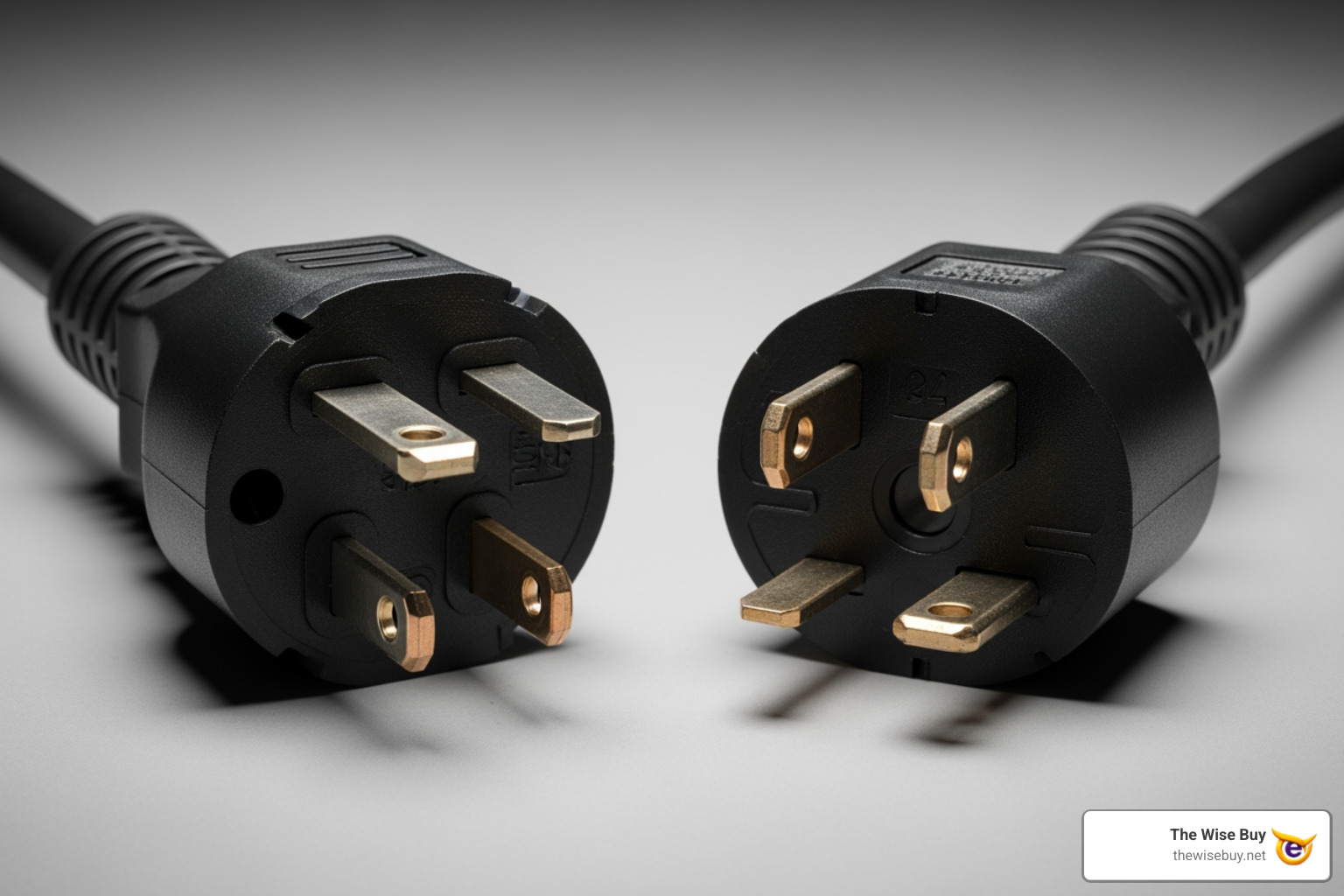
3-Prong vs. 4-Prong: What’s the Difference?
One of the most critical distinctions we need to understand when selecting a 6 ft range cord is the difference between 3-prong and 4-prong configurations. This isn’t just a matter of preference; it’s about safety standards and your home’s electrical wiring.
3-Prong Cords (NEMA 10-50P): These cords are typically found in older homes, generally those built before 1996. The 3-prong design combines the neutral and ground wires into a single conductor. While this was acceptable under older electrical codes, it’s considered less safe by today’s standards because if the shared wire were to break, the appliance’s metal frame could become energized, posing a severe shock hazard. If your home has a 3-prong outlet, you’ll need a compatible 3-prong 6 ft range cord. These cords remain commonly used and widely available for older installations.
4-Prong Cords (NEMA 14-50P): This is the modern safety standard for electric range installations. A 4-prong cord features a separate ground wire, which provides an independent path for fault current to safely dissipate. This design significantly reduces the risk of electrical shock. The National Electrical Code (NEC) was updated to require 4-prong outlets for new range installations. If your home was built or renovated after 1996, or if your electrician has upgraded your wiring, you will almost certainly have a 4-prong outlet and thus require a 4-prong 6 ft range cord. The popularity of these cords reflects their modern relevance and adherence to current safety standards.
It’s essential to match the prong configuration of your new range cord to your existing wall outlet. Attempting to force an incompatible cord or using an adapter is extremely dangerous and should never be done.
Decoding Cord Specifications
Beyond the prong count, several other specifications are crucial when selecting your 6 ft range cord. Understanding these ensures both safety and proper functionality for your appliance.
Amperage (Amps): This refers to the amount of electrical current the cord can safely carry. Electric ranges typically require either a 40A or 50A cord. It’s paramount that the amperage rating of your cord matches or exceeds the rating specified by your range manufacturer. Using a cord with a lower amperage rating can cause it to overheat, leading to fire. Always check your appliance’s manual for its specific power requirements.
Voltage: Standard electric ranges in North America operate on 250V. Therefore, your 6 ft range cord will be rated for 250V. This is a consistent specification across all range cords.
Wire Gauge (AWG): This refers to the thickness of the individual wires within the cord. In the American Wire Gauge (AWG) system, a lower gauge number indicates a thicker wire, which can carry more current. For 50A range cords, you’ll typically see “6-gauge” (or 6 AWG) wires, often denoted as 6/3 for 3-prong cords (three 6-gauge wires) or 6/4 for 4-prong cords (four 6-gauge wires). For 40A ranges, 8-gauge wire might be sufficient. Thicker wires are necessary to prevent overheating with high-amperage appliances. The research mentions 6/4 and 6/3 configurations, which are standard for 50 Amp range cords.
Cord Material Types; SJTW vs STW: The outer jacket material of the cord also plays a role in its durability and longevity. While more commonly discussed for general extension cords, these ratings can give us insight into the robustness of heavy-duty appliance cords.
SJTW (Service Junior Thermoplastic Weather-resistant) typically refers to a cord suitable for indoor/outdoor use, resistant to moisture and abrasion.
STW (Service Thermoplastic Weather-resistant) is a heavier-duty version, often used for more demanding outdoor applications. For a range cord, the insulation and jacket are designed to be extremely durable and heat-resistant, ensuring the conductors remain protected under the significant electrical load. The quality of these materials directly affects the cord’s performance and lifespan. We always recommend choosing cords with robust, high-quality insulation for maximum safety and durability.
Why Choose a 6 ft Range Cord?
So, why would we specifically opt for a 6 ft range cord over shorter or even longer alternatives? The 6-foot length strikes a perfect balance between flexibility, safety, and practicality for most kitchen setups.
Consider this: a 4 ft cord might seem sufficient if your outlet is directly behind your range. However, this often leaves little to no slack, making installation a frustrating wrestling match. It also makes it nearly impossible to pull the range out for cleaning or maintenance without disconnecting the power—a significant inconvenience. Longer cords, while offering more reach, can create excess clutter behind the appliance, potentially trapping heat or getting pinched, which can be just as hazardous.
The 6 ft range cord provides that crucial extra margin. It’s long enough to offer flexibility and safety without being excessively long.
The Benefits of a 6 ft Range Cord for Installation
The installation process for an electric range can be cumbersome, especially given the appliance’s weight and size. A 6 ft range cord significantly eases this task, offering several key benefits:
Easier Connection and Maneuvering: That extra two feet of length compared to a 4 ft cord allows us to pull the range further away from the wall during installation. This provides ample space to access the terminal block on the back of the appliance and securely connect the cord without straining our backs or the electrical components. Once connected, we can then gently push the range back into place.
Avoiding Strain on Outlets: A cord that is too short puts tension on the connection points at both the appliance and the wall outlet. Over time, this constant strain can loosen connections, damage the outlet, or even cause wires to pull free, creating a serious electrical hazard. A 6 ft range cord ensures there’s enough slack to prevent this.
Right-Angle Plugs for Tight Spaces: Many modern 6 ft range cords come with a right-angle plug. This is a fantastic feature, as it allows the range to sit closer to the wall without the cord bending sharply or creating a large gap behind the appliance. This is particularly useful in kitchens where space is at a premium, enabling a cleaner, more flush installation. These space-saving plugs are a common feature on high-quality cords designed for close-to-wall installation.
Eliminating the Need for Dangerous Extension Cords: We cannot stress this enough: never use a regular extension cord with an electric range. The power draw of a range is far too high for standard extension cords, which are not designed to handle such loads. This can lead to rapid overheating, melting, and fire. A 6 ft range cord often provides enough reach to eliminate the temptation of using an unsafe extension cord, ensuring a direct and safe connection to the wall outlet.
When is a 6 ft Range Cord the Best Choice?
We’ve seen how valuable a 6 ft range cord can be, but when is it truly the optimal choice for your situation?
Outlets Offset from the Appliance Center: This is a common scenario. If your wall outlet isn’t perfectly centered behind where your range will sit, or if it’s located to one side, a shorter cord might not reach or would be under too much tension. A 6 ft cord provides the necessary flexibility to accommodate these offset positions.
Slide-in and Freestanding Ranges: While built-in ovens have specific wiring requirements, both slide-in and freestanding ranges benefit greatly from the extra length. Slide-in ranges, in particular, often require a bit more maneuvering to get them flush with cabinetry, and a 6 ft cord makes this process much smoother.
Providing Slack for Cleaning or Servicing: Imagine needing to clean under or behind your range, or having a service technician need to access its rear components. With a 4 ft cord, you’d likely have to disconnect the power entirely before pulling the appliance out. A 6 ft range cord usually provides enough slack for us to pull the range forward a foot or two without disconnecting it, making cleaning and maintenance significantly easier and safer.
Peace of Mind: Choosing a 6 ft range cord offers an invaluable sense of security. Knowing that your appliance is connected with a properly sized, robust cord that isn’t strained or stretched allows you to enjoy your kitchen with confidence.
Key Safety Certifications to Look For
When purchasing any electrical product, especially buying 6 ft range cord, we must always look for safety certifications.
UL Listed Mark: The most important certification to look for in North America is the “UL Listed” mark from Underwriters Laboratories. This indicates that the product has been tested and meets stringent safety standards. A UL Listed cord assures us that the product has undergone rigorous evaluation for electrical safety.
Ensuring Safety Standards: Other recognized testing laboratories like ETL or CSA also provide similar assurances. These certifications are not just labels; they represent a commitment to quality and safety in manufacturing.
When to Call a Professional Electrician: While installing a range cord can be a DIY task, we strongly recommend consulting or hiring a professional electrician if:
You are unsure about your home’s wiring (3-prong vs. 4-prong).
You need to upgrade your wall outlet from a 3-prong to a 4-prong configuration.
You encounter any unexpected wiring issues or have doubts during the installation process.
Local codes in Buffalo Grove, IL, or your specific municipality, require professional installation for such appliances.
At The Wise Buy, we prioritize your safety. That’s why we ensure our products meet high standards. For example, our own certified 6 ft. 50 Amp 4-Prong Range Power Cords are designed with these safety certifications in mind, giving you peace of mind.
Frequently Asked Questions about Range Cords
We often get questions about range cords, and clear up common misconceptions to ensure everyone’s safety.
Can I use a regular extension cord with my electric range?
Absolutely not, and we cannot emphasize this enough. Using a regular extension cord with an electric range is extremely dangerous and creates a severe fire hazard. Electric ranges draw a tremendous amount of power (typically 40 or 50 Amps at 250 Volts). Standard household extension cords are designed for much lower power loads (usually 13 or 15 Amps). Plugging a range into a regular extension cord will cause the cord to rapidly overheat, melt, and potentially ignite, leading to a house fire. Always use a properly rated 6 ft range cord or other appropriate length directly connected to the wall outlet.
My house has a 3-prong outlet, but my new range needs a 4-prong cord. What should I do?
This is a common situation in older homes. You have two primary options, and we strongly recommend the safer one:
Option 1: Replace the Range Cord with a 3-Prong Version. If your home in Buffalo Grove, IL, or elsewhere, has an existing 3-prong range outlet (NEMA 10-50R), you can purchase a compatible 3-prong 6 ft range cord (NEMA 10-50P) for your new appliance. Most ranges are designed to be convertible between 3-prong and 4-prong wiring. You must carefully follow the appliance’s installation manual to ensure the internal wiring is correctly configured for a 3-wire system, including removing any bonding strap between the neutral and ground. It’s crucial to check local electrical codes, as some jurisdictions may no longer permit new 3-prong range installations, even for replacement.
Option 2 (Safer): Hire an Electrician to Upgrade the Outlet to a 4-Prong Receptacle. This is the safest and most recommended solution. A qualified electrician can upgrade your existing 3-prong outlet to a modern 4-prong (NEMA 14-50R) receptacle. This involves running a separate ground wire back to your electrical panel, bringing your kitchen wiring up to current National Electrical Code (NEC) standards. While it’s an upfront cost, it provides the highest level of electrical safety for your home and appliance.
Given the potential safety implications, if you’re unsure which option is best or how to proceed, we strongly advise consulting with a licensed electrician.
Conclusion: Making the Smart Choice for Your Kitchen
Buying the right power cord for your electric range might seem like a small detail, but as we’ve explored, it’s a critical decision for both safety and convenience. We’ve learned that a 6 ft range cord offers numerous benefits, from easier installation and appliance maneuvering to preventing dangerous strain on your electrical connections. It’s the sweet spot for flexibility without excess.
To recap our journey:
Measure First: Before buying, consider the distance to your outlet and how much you might need to pull the range out.
Check Your Outlet: Determine if you have a 3-prong (older homes) or 4-prong (modern standard) receptacle.
Match the Amperage: Ensure the cord’s amperage rating (usually 40A or 50A) matches your range’s requirements.
Look for Certifications: Always choose a UL Listed or similarly certified cord for peace of mind.
A 6 ft range cord provides the ideal balance of length for most installations, offering a safety margin and facilitating future cleaning or servicing. It’s a smart choice that prevents the temptation of unsafe extension cords and ensures your range operates efficiently and securely for years to come.
At The Wise Buy, we’re committed to providing smart deals and smarter shopping experiences, ensuring you have access to quality products for every corner of your home. Ready to find the perfect power solution for your kitchen?

 Add more eligible items to your cart to unlock free shipping.