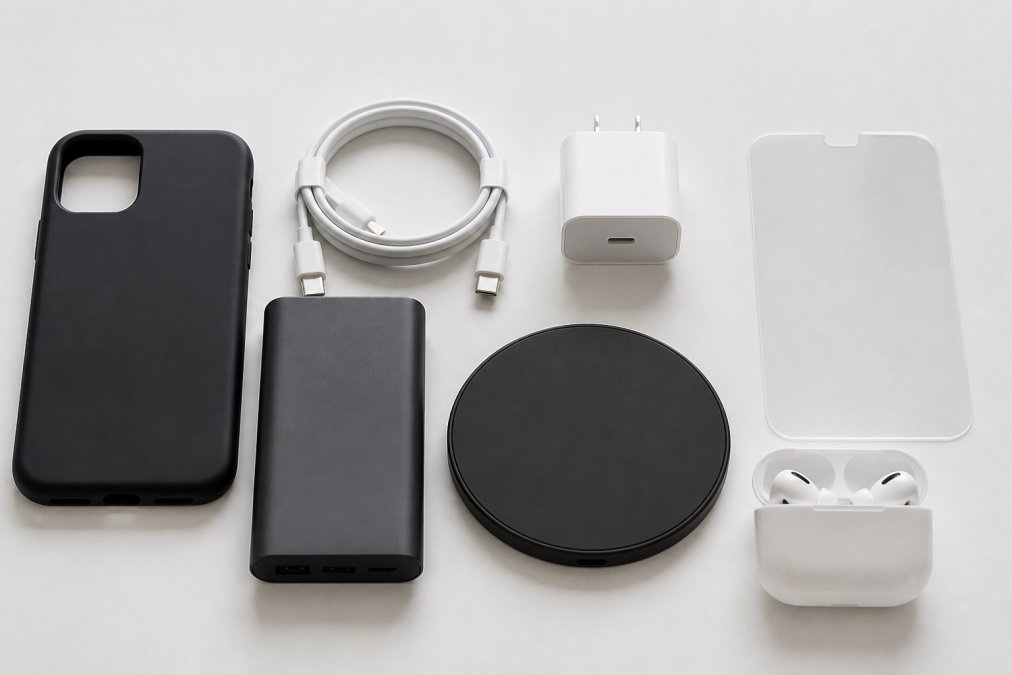
What Makes a Cellphone Accessories Shop Worth Your Time
Finding quality cellphone accessories shop products without overpaying is harder than it should be. Most retail locations mark up basic items like charging cables and screen protectors by 40-60% compared to what you’d pay elsewhere (the FTC). This creates a real problem for anyone who needs reliable gear but doesn’t want to waste money on inflated pricing.
A proper cellphone accessories shop should do three things well: offer genuine products from trusted manufacturers, provide transparent information about item condition and compatibility, and price items competitively without sacrificing quality. TheWiseBuy.net focuses on exactly this approach, helping customers find brand-name accessories at prices that actually make sense.
The difference between a good cellphone accessories shop and a mediocre one comes down to inspection standards, inventory clarity, and honest product descriptions. When you’re buying something you’ll use daily, like a charging cable or protective case, you need to know exactly what you’re getting.
Below, we’ll walk through the accessories every phone owner actually needs, how to evaluate quality, and where to find the best value without compromising durability or performance.
Essential Accessories Every Phone Owner Needs
Most phone owners buy accessories reactively, only after something breaks or fails. A smarter approach is understanding which categories matter most, then selecting specific products based on your actual usage patterns.
Protective Cases and Screen Guards
A protective case is non-negotiable if you want your phone to survive beyond the first year. Cases serve two purposes: they reduce impact damage from drops, and they protect against scratches and wear from daily handling. The shockproof design of quality cases matters far more than aesthetics, look for cases with reinforced corners and raised bezels that protect the screen and camera lens.
Screen protectors are the second layer of defense. Tempered glass protectors offer superior clarity compared to plastic alternatives, and they’re designed to absorb impact that would otherwise crack your display. A good tempered glass protector should be easy to apply, maintain touch sensitivity, and not interfere with your phone’s brightness or color accuracy.
When choosing between case styles, consider your environment. If you work in construction or outdoor settings, a ruggedized case with additional protection is worth the investment. For office work or casual use, a slim case offers better portability without sacrificing essential protection.
Charging Solutions: Cables, Adapters, and Power Banks
Charging infrastructure is where most people waste money. A single charging cable typically costs $15-25 at retail locations, yet quality alternatives are available at significantly lower prices through a cellphone accessories shop that focuses on value (bls.gov).
USB-C cables have become the standard, offering faster data transfer and charging speed compared to older connector types. When evaluating cables, look for certified options that support power delivery specifications matching your device. A cable rated for 60W power delivery will charge your phone faster than one rated for 18W, though the difference matters most if you’re using a compatible wall charger (usb.org).
Affordable charging cables and adapters don’t mean sacrificing durability. The key is avoiding counterfeit products and purchasing from retailers that verify authenticity. TheWiseBuy.net inspects all cables and adapters to ensure they meet manufacturer specifications before shipping.
Power banks remain essential for mobile productivity. A high-capacity power bank (20,000mAh or higher) can charge most phones multiple times before needing recharge itself. Look for banks with multiple output ports so you can charge multiple devices simultaneously. Fast charging support matters if you need quick top-ups between meetings or during travel.
Audio and Connectivity Gear
Wireless headsets and earbuds have shifted from luxury items to necessities for most users. Quality audio accessories should offer reliable bluetooth connectivity, ergonomic design for extended wear, and battery life that matches your daily usage pattern.
When selecting audio gear, consider your primary use case. If you’re in video calls most of the day, a headset with a reliable microphone and noise cancellation matters more than bass response. For music listening, sound profile becomes the priority. For gym or outdoor use, water resistance and secure fit are essential.
Connectivity adapters solve compatibility issues when your phone lacks a specific port. USB-C to HDMI adapters enable mobile productivity by connecting to external displays. Lightning to USB-C adapters (for devices that still use older connectors) maintain compatibility across your device ecosystem.
How to Choose a Screen Protector That Actually Works
A screen protector’s job is simple: prevent your display from cracking while staying invisible during normal use. Most people fail at selecting the right one because they prioritize brand name over actual specifications.
Tempered glass protectors are the clear winner over plastic film alternatives. Glass offers superior impact resistance, maintains perfect clarity, and feels more like the actual phone screen. The trade-off is that tempered glass is more expensive upfront, but it lasts significantly longer than plastic, making it cheaper over time.
When evaluating a specific screen protector, check these factors: thickness (measured in millimeters, typically 0.3-0.5mm), hardness rating (9H is standard for quality tempered glass), and oleophobic coating (this reduces fingerprints). A protector with all three attributes will provide reliable protection without degrading your phone’s display quality.
Installation quality matters as much as the protector itself. Dust particles trapped during installation create visible bubbles and reduce protection effectiveness. Many cellphone accessories shops offer installation services, which is worth considering if you’re uncomfortable doing it yourself. A poorly installed protector provides false confidence, you think you’re protected when you’re not.
Benefits of Certified Refurbished Electronics for Accessories
Certified refurbished doesn’t mean “used and broken.” Refurbished products are items that were returned, exchanged, or opened but unused, then professionally tested and restored to manufacturer specifications. For accessories specifically, refurbished items are often indistinguishable from new.
A charging cable doesn’t degrade from being opened and tested. A screen protector doesn’t lose its temper from being inspected. These items either work or they don’t, there’s no middle ground. Buying certified refurbished accessories through a cellphone accessories shop saves money without accepting lower quality.
The inspection process is critical. TheWiseBuy.net tests every refurbished accessory to ensure it meets original specifications before shipping. This means you get the same performance as a new item at a significantly lower price. The warranty on refurbished items is typically shorter than new products, but for accessories with a lifespan measured in months or years, this rarely matters.
Sustainability and Eco-Friendly Materials
Beyond refurbished options, the materials used in accessories themselves matter for environmental impact. A growing segment of consumers actively seeks accessories made from recycled plastics, biodegradable materials, or sustainably sourced rubber. Cases manufactured from recycled ocean plastic or plant-based TPU reduce manufacturing waste and carbon footprint compared to virgin plastic alternatives.
Screen protectors and cases with minimal packaging or recyclable packaging further reduce waste. Some manufacturers now offer take-back programs where you can return old accessories for proper recycling or refurbishment. When evaluating a cellphone accessories shop, check whether they stock eco-certified products or partner with brands committed to sustainable manufacturing.
Certified refurbished electronics reduce waste by keeping functional products in circulation instead of landfills. If environmental impact factors into your purchasing decisions, buying refurbished accessories aligns with sustainability goals while saving money. The combination of refurbished purchasing and choosing eco-friendly materials represents the most environmentally conscious approach to accessory shopping.
Affordable Charging Cables and Adapters: Quality Without the Markup
Charging cables are where retailers make the most excessive markups. A quality USB-C cable costs $3-5 to manufacture, yet retail prices often reach $20-30. This massive margin exists because most buyers don’t comparison shop for cables, they buy whatever’s available when they need it.
An affordable cellphone accessories shop eliminates this markup by purchasing directly from manufacturers and passing savings to customers. The cable itself is identical whether you pay $8 or $25, the only difference is the retailer’s profit margin.
When selecting affordable options, verify that cables meet USB-IF certification standards. This certification ensures the cable safely handles the power delivery rating it claims. An uncertified cable might work fine 99% of the time, but the 1% failure could damage your phone’s battery or charging port.
Multi-pack cable purchases offer the best value. Buying three cables at once costs less per unit than buying one. Keep cables in different locations, car, office, bedroom, bag, so you always have access to charging without paying premium prices for convenience.
Wall chargers matter as much as cables. A 20W or higher power delivery charger will charge most phones significantly faster than the basic 5W chargers that come standard. Upgrading to a fast charger and a quality cable reduces charging time by 50% or more, which adds up over months of daily use.
Compatibility and Longevity: What Matters Most
Compatibility determines whether an accessory is useful or worthless. A screen protector designed for one phone model won’t fit another. A USB-C cable works with USB-C phones but not with older Lightning connectors. Before purchasing, verify that the accessory matches your exact device model.
How to Identify Your Phone’s Port Type
The most common compatibility mistake is purchasing the wrong charging cable. Identifying your port type takes 30 seconds and prevents wasted money. Look at the charging port on the bottom of your phone:
USB-C ports are oval-shaped with symmetrical sides, approximately 8.4mm wide. The connector is reversible, meaning it works in either orientation. Most phones manufactured after 2020 use USB-C, including all current Android flagship models and iPhones 15 and newer.
Lightning connectors are proprietary to Apple and feature eight small pins arranged in two rows. The connector is slightly smaller than USB-C and only works in one orientation. iPhones 14 and earlier models use Lightning exclusively.
Micro-USB ports are older rectangular connectors found on budget phones and some accessories. They’re smaller than USB-C and only work in one direction. If your phone uses Micro-USB, it’s likely several years old, and you should prioritize upgrading to a device with USB-C for better charging speeds and future compatibility.
When shopping at a cellphone accessories shop, the product description should clearly state which port type the cable or adapter supports. If it doesn’t, contact customer service before purchasing. TheWiseBuy.net includes port-type specifications in every product listing to eliminate guesswork.
MagSafe and Magnetic Accessory Compatibility
MagSafe is Apple’s magnetic charging and attachment system introduced with iPhone 12. If you own an iPhone 12 or newer, MagSafe-compatible accessories (cases, chargers, wallets, car mounts) attach magnetically to the back of your phone without requiring a physical connector.
Not all magnetic accessories are MagSafe-certified. Generic magnetic phone mounts may work but can interfere with wireless charging or damage your phone’s internal components over time. When purchasing magnetic accessories, verify they’re MagSafe-certified by checking the product description or Apple’s official compatibility list.
Android phones do not have a standardized magnetic attachment system equivalent to MagSafe. Some Android manufacturers have introduced proprietary magnetic systems, but these vary by brand and model. Always verify magnetic accessory compatibility with your specific Android phone model before purchasing.
Longevity and Material Quality
Longevity is where budget accessories often fail. A cheap charging cable might work for three months before the connector loosens or the internal wires fray. A quality cable lasts 12-18 months with normal use. The cheaper cable isn’t actually cheaper, you’re just replacing it more frequently.
Durability depends on materials and construction. Look for cables with reinforced connectors, braided outer sheaths, and internal shielding. Cases should use materials rated for impact resistance (TPU or polycarbonate), not soft rubber that degrades quickly. Screen protectors should have consistent thickness throughout, not thin edges that separate easily.
Maintenance extends accessory lifespan significantly. Clean charging ports regularly with a dry brush or compressed air to prevent lint buildup that interferes with connections. Avoid coiling cables tightly, which stresses internal wires at the connector junction, the most common failure point. Store cases and protectors in cool environments away from direct sunlight, which can degrade materials over time and weaken adhesive on screen protectors.
Accessory Type
Expected Lifespan
Quality Indicator
Maintenance Tip
Charging Cable
12-18 months
Braided sheath, reinforced connector
Avoid coiling tightly
USB-C Adapter
18-24 months
Certified power delivery rating
Keep ports clean
Screen Protector
6-12 months
Consistent tempered glass thickness
Store away from heat
Protective Case
12-24 months
Reinforced corners, TPU material
Clean regularly
Power Bank
18-36 months
High-capacity rating, multiple ports
Avoid overcharging
Frequently Asked Questions
What should I look for when buying phone accessories from a cellphone accessories shop?
Prioritize compatibility with your specific phone model, durability of materials, and brand reputation. Check product descriptions for details about protection level (shockproof ratings for cases, tempered glass quality for screen protectors), charging speed for cables and adapters, and warranty coverage. Read customer reviews to confirm real-world performance, and verify that open-box or refurbished items are clearly labeled with their condition and inspection details.
Are certified refurbished phone accessories safe to buy?
Yes, when purchased from reputable retailers. Certified refurbished accessories undergo rigorous testing and inspection before resale. They typically come with warranties and are backed by the retailer’s quality guarantee. The main benefits of certified refurbished electronics include significant cost savings while maintaining the same functionality and durability as new products. Always verify the certification and return policy before purchasing.
How do I know if a charging cable or adapter is compatible with my phone?
Check your phone’s charging port type: USB-C, Lightning (Apple), or Micro-USB. Verify the power delivery rating matches your phone’s requirements—most modern phones support 18-30W fast charging. Look for certification marks from the manufacturer or standards organizations. Avoid generic cables without clear compatibility information. Quality affordable charging cables and adapters from trusted retailers will specify exact compatibility on the product page, and reputable shops provide detailed descriptions to prevent compatibility issues.
What’s the difference between a screen protector and a protective case?
A screen protector shields your phone’s display from scratches and minor impacts, typically made from tempered glass or plastic film. A protective case covers the phone’s body and edges, offering shockproof protection from drops and impacts. Many users choose both for complete device protection. When learning how to choose a screen protector, consider tempered glass for clarity and durability, check that it fits your phone model precisely, and ensure it doesn’t interfere with touch sensitivity or your case installation.

 Add more eligible items to your cart to unlock free shipping.