Finding quality discounted kitchen appliances requires knowing where to look and what to expect. The Wise Buy specializes in offering high-quality open-box and overstock kitchen appliances at a fraction of retail prices, making it an excellent starting point for budget-conscious shoppers. Major appliance retailers, warehouse clubs, and online marketplaces all carry discounted options, but each channel has different advantages and risks.
The most reliable places to find discounted kitchen appliances include online overstock marketplaces and clearance sections of major home improvement stores. Seasonal sales events, particularly around holidays and end-of-season clearances, offer significant markdowns on refrigerators, dishwashers, ranges, and other major appliances. Understanding the difference between open-box, refurbished, and scratch-and-dent items is essential before making a purchase.
Pro Tip Start your search during major sales events: Black Friday, Boxing Day, end-of-month clearances, and seasonal transitions. Many retailers discount inventory to make room for new models, creating genuine opportunities for savings.
Understanding Open-Box Appliance Benefits
Open-box appliances are items that were returned to the retailer after being opened or minimally used. These products typically carry significant discounts because they no longer qualify as new merchandise. The key advantage is that open-box appliances have usually been inspected and tested before resale.
At The Wise Buy, every open-box appliance undergoes rigorous testing to verify functionality. This inspection process gives you confidence that the item will perform as intended. Many open-box appliances are essentially new, with only cosmetic differences from their factory-sealed counterparts. Warranty coverage for open-box items can vary, and it’s important to verify the specifics for each product.
Common reasons items become open-box include wrong color selection, size mismatch, or buyer’s remorse. These are quality products that simply didn’t fit the original purchaser’s needs. You benefit from their return without paying the full retail markup.
Key Takeaway Open-box appliances deliver the best value when purchased from retailers with transparent inspection processes. The savings are real, but only if the item has been properly tested and documented.
Scratch and Dent Appliance Deals: What You Need to Know
Scratch and dent appliances have minor cosmetic damage but full functionality. A dent on the side panel or a small scratch on the door doesn’t affect how the appliance performs. These items are typically discounted depending on the severity of damage and the appliance type.
The critical question is whether cosmetic damage bothers you. If the appliance will sit in a visible location, minor blemishes may be noticeable. If it’s hidden behind a cabinet or you prioritize function over appearance, scratch and dent deals offer exceptional value. Many homeowners find that once the appliance is installed, the cosmetic imperfection becomes irrelevant.
Warranty coverage for scratch and dent items can vary. This protection matters when purchasing major appliances that represent significant investments. Always verify warranty coverage before completing your purchase.
Watch Out Don’t confuse cosmetic damage with functional damage. Inspect photos carefully and ask detailed questions about what the damage actually is. A “dent” could be a minor surface issue or structural damage, the distinction matters significantly.
How to Inspect Used Appliances Before Buying
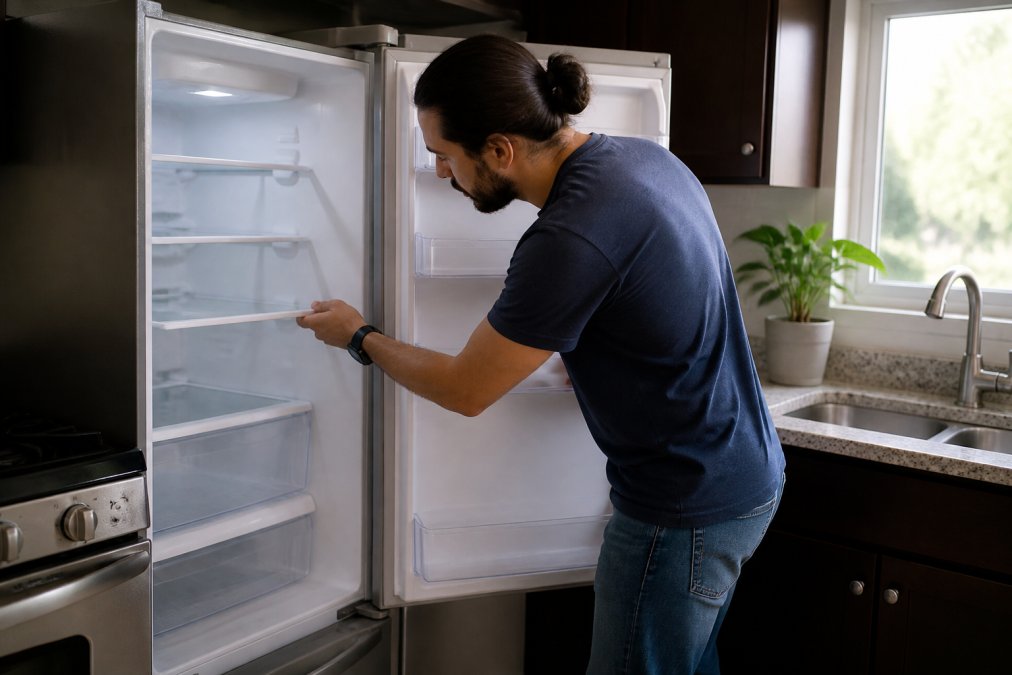
Inspecting used and refurbished appliances before purchase is non-negotiable. Start by examining detailed photos of the exterior and interior from multiple angles. Look for rust, corrosion, water damage, and mechanical issues. Ask the seller specific questions about age, usage history, and any repairs performed.
Person carefully examining the interior of a refrigerator, checking shelves and seals for damage and cleanliness, with natural light from a kitchen window
Request maintenance history and any service records if available. Appliances that have been regularly serviced typically perform more reliably than neglected units. Ask about the age of critical components like compressors, heating elements, or pumps. These parts determine appliance lifespan and repair costs.
The condition of seals, gaskets, and hinges reveals how well an appliance was maintained. Damaged seals on refrigerators lead to energy waste and food spoilage. Broken hinges affect usability. These details matter more than cosmetic imperfections.
Verifying Refurbished Quality: A Checklist
If the appliance is labeled “refurbished,” verify the source and scope of refurbishment before purchasing. Factory-certified refurbished units have been disassembled, inspected, and rebuilt by the manufacturer or authorized service centers, these carry the strongest reliability guarantees. Third-party refurbished appliances may have been repaired by independent shops with varying standards.
Ask the seller or listing:
Was this refurbished by the manufacturer or a third-party service center?
What specific repairs or replacements were performed?
Are there service records documenting the refurbishment work?
Does the refurbished unit come with a manufacturer’s refurbished warranty (typically 1 year) or a retailer warranty?
Factory-refurbished appliances often carry the same warranty as new units; third-party refurbished items may have limited or no manufacturer coverage. Request written documentation of refurbishment work, vague descriptions like “fully refurbished” or “like new” without specifics are red flags. Legitimate refurbishers provide detailed reports of what was replaced, tested, and certified.
Inspect the appliance’s serial number and manufacturing date. Cross-reference the date with any refurbishment date provided; this can offer insights into the item’s history.
Warranty Coverage and Protection Plans for Discounted Items
Warranty coverage varies dramatically across discounted appliances, and understanding these differences is essential to protecting your investment. The type of warranty depends on the appliance category: open-box items often retain full manufacturer coverage, refurbished units may have reduced or retailer-specific warranties, and scratch-and-dent appliances typically carry full manufacturer protection if sold by authorized retailers.
Manufacturer vs. Refurbished vs. Retailer Warranties
Manufacturer warranties are issued by the appliance maker and cover defects in materials and workmanship. Warranty coverage for new appliances typically includes a 1-year full warranty (parts and labor) and often longer on specific components. For open-box appliances, it’s important to verify the specific warranty coverage as it can vary.
Refurbished appliances come with a separate refurbished warranty, typically 1 year from the refurbishment date, issued either by the manufacturer (if factory-refurbished) or by the retailer or refurbisher. Warranty coverage for refurbished items can vary. Always request the refurbished warranty document in writing before purchase.
Retailer warranties are separate from manufacturer coverage and are offered by the seller. These may extend protection beyond the manufacturer’s period or cover accidental damage. Retailer warranties vary widely in scope and cost.
Transferability and Resale Impact
Check whether warranty coverage transfers to second owners. Some manufacturer warranties are non-transferable, meaning if you sell the appliance later, the new owner has no coverage. This affects resale value significantly, a refrigerator with a transferable 5-year compressor warranty is worth more on the secondary market than one with no transferable coverage. Transferable warranties make discounted appliances more attractive as long-term investments.
Extended Protection Plans
Many retailers offer extended protection plans for discounted appliances. These plans cover parts and labor beyond the manufacturer’s warranty period. For budget-conscious shoppers, extended protection on major appliances often makes financial sense given repair costs.
Evaluate extended plans based on your ownership timeline. If you plan to keep the appliance for an extended period, extended coverage can reduce the financial risk of major repairs.
Documentation and Claims
Document all warranty information and keep receipts organized. Manufacturer claims require proof of purchase and often require registration within specific timeframes, some manufacturers require registration within 30 days of purchase to activate extended coverage. Digital copies of warranty documents prevent disputes when you need coverage. Register refurbished appliances with the manufacturer if the warranty is transferable; this step ensures the new owner can file claims if needed.
Watch Out Always request warranty documentation in writing before completing your purchase. Verbal promises of coverage are unenforceable. Verify the warranty start date, coverage period, what is and is not covered, and whether coverage is transferable.
Timing Your Purchase: Seasonal Sales and Promotions
Seasonal timing significantly impacts appliance pricing. End-of-season clearances happen in spring (winter inventory clears) and fall (summer inventory clears). New model releases typically trigger discounts on previous-year models. Holiday promotions, particularly Black Friday and Boxing Day, offer competitive pricing across all major retailers.
Month-end and quarter-end sales represent another opportunity. Retailers need to clear inventory to meet sales targets, creating genuine discounts. January and February often feature clearance pricing as retailers make room for spring inventory. August and September bring back-to-school promotions that sometimes extend to kitchen appliances.
Appliance retailers occasionally run flash sales on overstock items.
Hidden Costs and What to Budget Beyond the Sale Price
The purchase price is only part of the total cost. Delivery fees for major appliances and installation costs can add to your total expense.
Cost Category
Typical Range
Notes
Delivery
$50-150
Distance and accessibility dependent
Installation
$100-300
Includes setup and connections
Haul-away
$25-50
For old appliance disposal
Extended warranty
$100-300
Optional but recommended
Energy costs (annual)
$50-200
Varies by efficiency rating
Frequently Asked Questions
What is the difference between open-box and refurbished appliances?
Open-box appliances are items that have been returned or displayed but are typically unused. Refurbished appliances have been used, returned, and professionally restored to factory standards. Open-box items often offer significant savings, and warranty coverage can vary, while refurbished models are inspected and repaired but may have limited warranty coverage. Both offer significant savings compared to new appliances when purchased from reputable sources that thoroughly test items before sale.
Are scratch and dent appliances worth buying?
Scratch and dent appliances are worth considering if cosmetic damage doesn’t concern you. These items function identically to new ones but have minor exterior flaws from shipping or floor display. The savings can be substantial, and most units come with manufacturer warranties. However, inspect photos carefully and verify the damage is purely cosmetic before purchasing. Ask sellers about the extent of damage and whether it affects any operational areas.
How can I ensure the quality of discounted kitchen appliances?
Request detailed product photos showing all angles, the interior, and any damage. Check the product description thoroughly for testing certifications and inspection notes. Look for items with factory-certified seals or professional refurbishment documentation. Ask about the seller’s testing process and warranty options. Purchase only from established retailers who stand behind their inventory and offer clear return policies for items that don’t meet expectations.
What time of year offers the best deals on kitchen appliances?
Major sales occur during holiday promotions, particularly Black Friday, Cyber Monday, and year-end clearance events when retailers liquidate inventory. Spring and early summer also bring markdowns as manufacturers introduce new models. End-of-month and end-of-quarter sales help retailers manage turnover. Watch for seasonal appliance promotions tied to home improvement seasons. Closeout events happen year-round as stores discontinue models, so consistent monitoring of inventory listings yields opportunities throughout the year.

 Add more eligible items to your cart to unlock free shipping.