Best Overstock Alternatives for Home Goods in 2026
Homepage Best Overstock Alternatives for Home Goods in 2026
Last Updated: October 23, 2026
Quick Summary
Overstock alternatives home goods include Wayfair for broad selection, Target for budget-friendly basics, Hayneedle for specialty categories, and marketplaces like eBay and Bonanza for deals. Open-box items offer substantial savings when you examine detailed photos, condition descriptions, and seller inspection standards before purchasing.
Wayfair provides hundreds of thousands of items with prominent customer reviews to compare across styles and price points.
Target combines house brands with name-brand products at reasonable prices with straightforward return policies.
Open-box products are returned or displayed items with unopened packaging that may be in perfect condition.
Review multiple photos, condition grades, and seller inspection processes to evaluate open-box items confidently.
Return policies vary by retailer and marketplace seller, so check specifics before checkout.
Why Shoppers Choose Overstock Alternatives for Home Goods
Finding quality overstock alternatives home goods at exceptional value doesn’t require settling with a single retailer. Many shoppers today explore multiple overstock alternatives for home goods to compare selection, shipping, and return policies before making a purchase. The landscape has shifted significantly, what once meant driving to a warehouse store now means browsing dozens of online options from your couch.
At The Wise Buy, we’ve spent years analyzing what drives shoppers toward alternative retailers. The answer isn’t complicated: people want trusted brand names, transparent product condition, and honest pricing. When you’re furnishing a bedroom, stocking a kitchen, or refreshing your living room, the stakes feel personal. You want to know exactly what you’re getting, how it will arrive, and what happens if something doesn’t work out.
The retailers and marketplaces covered in this guide each approach this differently. Understanding how they differ helps you match your priorities, whether that’s speed, variety, price, or peace of mind, with the right place to shop.
Top Online Home Goods Stores to Shop
The online home goods market includes several strong players, each with distinct strengths. Rather than treating all alternatives equally, it makes sense to understand what each does well and where it might fall short for your specific needs.
Wayfair: Broad Selection and Fast Shipping
Wayfair has built its reputation on sheer inventory depth. This breadth appeals to shoppers who want to comparison-shop across styles and price points without jumping between websites.
The site’s search and filtering tools let you narrow by room, style, price range, and brand. The platform also highlights customer reviews prominently, which helps inform purchasing decisions.
Shipping speed varies by item. Return policies depend on the seller and product type, so reading the fine print matters before checkout. For shoppers prioritizing selection and the ability to compare multiple options in one place, Wayfair remains a solid choice.
Target: Budget-Friendly Home Essentials
Target has expanded its online home goods offering significantly in recent years. The retailer combines its own house brands with name-brand products, creating a mix of affordability and recognizable quality. If you’re looking for everyday household essentials at reasonable prices, Target’s online store delivers.
The advantage here is consistency. Target’s return policy is straightforward. The company also offers various shipping options.
Target’s strength lies in budget-friendly basics and in-house brands rather than high-end or specialty items.
Hayneedle: Specialty Home Furnishings
Hayneedle carved out a niche by focusing on specific home categories with depth. This specialization means you’ll find more options in certain categories than you might on a generalist retailer.
The site’s strength is its curated selection within categories.
Shipping and return policies vary by product, so checking details before purchase is important.
eBay and Bonanza: Marketplace Deals
Both eBay and Bonanza operate as marketplaces where individual sellers list products. This structure creates opportunities for deals, especially on overstock, clearance, and open-box items. You’ll find both new merchandise and used goods.
The tradeoff is variability. Product condition, seller reliability, and shipping times depend entirely on the individual seller. Before purchasing, review seller ratings carefully, read item descriptions thoroughly, and check return policies.
Bonanza positions itself as an alternative to eBay with a focus on small business sellers. The marketplace works similarly: browse listings, review seller feedback, and make purchases. For bargain hunters willing to invest time in research, both platforms can yield real value.
Platform
Best For
Selection Focus
Return Ease
Wayfair
Broad shopping in one place
Hundreds of thousands of items
Varies by seller
Target
Budget-friendly basics
Home essentials and in-house brands
Straightforward policy
Hayneedle
Category specialists
Outdoor, seasonal, and curated items
Varies by product
eBay
Deal hunters
New and used marketplace listings
Seller-dependent
Bonanza
Small business support
Marketplace listings
Seller-dependent
Understanding Open-Box Home Goods
Open-box products are items that were returned, displayed, or had packaging opened but were never used. They represent a middle ground between new and refurbished merchandise. For home goods specifically, furniture, appliances, kitchenware, and décor, open-box items can offer substantial savings without the risk associated with used products.
The key distinction: open-box doesn’t mean damaged. It means the original packaging was unsealed. The product itself may be in perfect condition, never touched by the original buyer. Retailers and resellers like The Wise Buy acquire these items from manufacturers, distributors, and retail returns, then inspect them thoroughly before reselling.
Understanding this category matters because it changes how you evaluate value. An open-box bed frame that’s never been assembled isn’t the same as a used bed frame that’s been slept on for two years. Recognizing this distinction helps you make confident purchasing decisions.
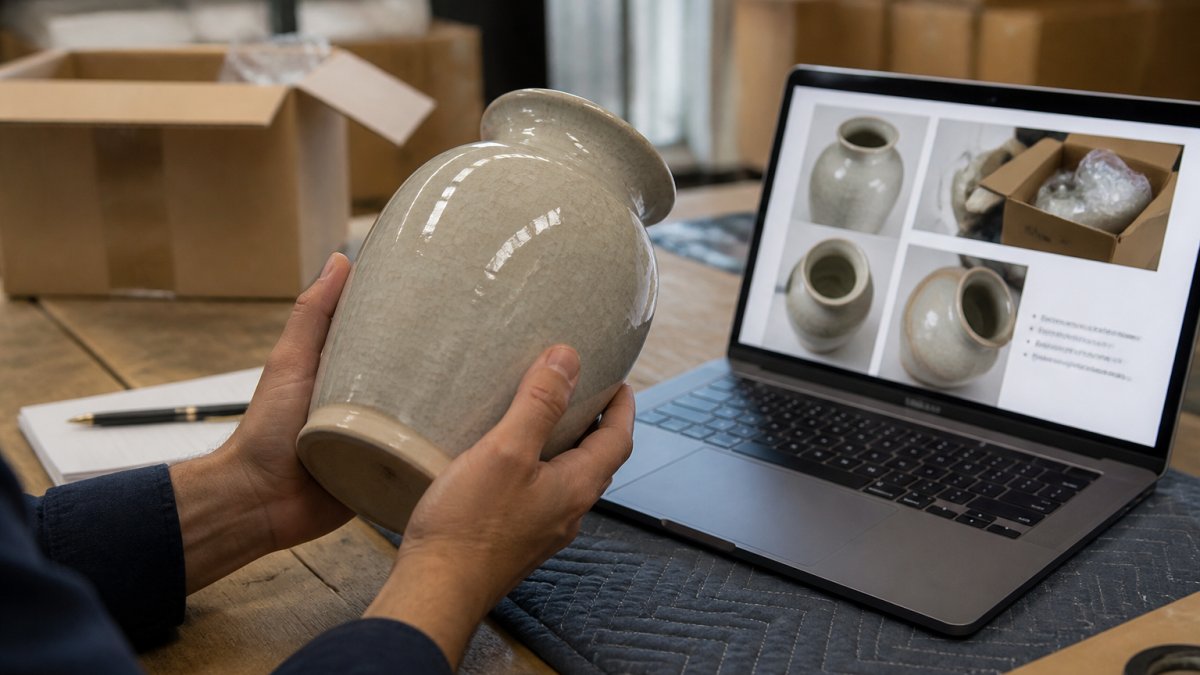
Close-up of a person’s hands carefully examining a home goods item, with detailed product photos and condition notes displayed on a laptop screen nearby in natural office lighting
How to Evaluate Open-Box Products Before Buying
Evaluating an open-box product requires attention to detail and a willingness to ask specific questions. The goal is understanding exactly what “open-box” means for that particular item and whether the condition matches your expectations.
Check Detailed Photos and Condition Descriptions
Start by examining every photo provided. Reputable sellers provide multiple angles and close-ups, including shots of any imperfections. Look for signs of use, scratches, dents, or discoloration. If the listing includes only a single photo from a distance, that’s a red flag.
Read the condition description carefully. Does it say “like new,” “excellent,” “good,” or “fair”? Understand what the seller means by each grade. At The Wise Buy, we provide detailed condition assessments because vague descriptions leave room for disappointment. A description that explains exactly what you’re getting, “light scuff on lower left corner, never assembled, all hardware included”, tells you far more than a generic rating.
Ask yourself: does this item match how I plan to use it? If you’re furnishing a visible living room, cosmetic imperfections might matter more than if you’re setting up a guest bedroom. Being honest about your own standards prevents buyer’s remorse.
Verify Brand Names and Authenticity
Confirm that the item is a recognized brand name, not a knockoff or house-brand imitation. Check the product listing against the manufacturer’s website or official retailer listings. If something seems off, an unusually low price for a premium brand, or vague branding language, investigate further.
For appliances and electronics, verify that the model number matches official product lines. Counterfeit goods do exist in the open-box market, though legitimate sellers work hard to prevent them. If you’re skeptical, ask the seller directly about authenticity or request additional documentation.
Review Inspection and Testing Standards
Not all sellers inspect open-box items equally. Some do basic visual checks; others perform rigorous testing. Find out what the seller’s process involves. At The Wise Buy, every item undergoes detailed inspection and testing before listing. We verify that appliances power on and function, that furniture is structurally sound, and that all components are present.
When reviewing a listing, look for evidence of this rigor. Did the seller test the item? Are all original components included? Is there documentation of the inspection process? These details matter because they reduce the risk of purchasing something that looks good in photos but doesn’t work as expected.
Online Shopping Return Policies: What You Need to Know
Return policies vary dramatically across retailers and marketplaces. Understanding the specifics before you buy prevents frustration later.
Most major retailers offer 30-day return windows for home goods. The clock usually starts from the purchase date, not the delivery date, so factor in shipping time when planning your return window.
Check whether returns require original packaging. If you plan to return an item, preserve the packaging until you’re certain you’re keeping it.
Shipping return costs matter too. For heavy items like furniture or appliances, return shipping can be expensive.
Marketplace sellers like those on eBay and Bonanza set their own return policies. Read these carefully before purchasing.
For open-box items specifically, return policies sometimes differ from new merchandise. Some sellers treat open-box returns the same as new items; others have stricter windows or conditions. This is another reason to read the fine print.
Comparing Value: Price, Quality, and Durability
True value isn’t just about the lowest price. It’s about getting quality that justifies what you spend and durability that matches your needs.
When comparing overstock alternatives home goods, consider the total cost of ownership. A cheaper item that breaks within a year costs more than a pricier item that lasts a decade.
Brand reputation matters. Established brands have track records. If you’re considering a kitchen appliance, look at how that brand’s products perform over time. Online reviews and customer feedback provide insight into real-world durability.
Open-box pricing reflects the condition and original retail value of the item. The key is understanding what you’re comparing.
Consider also the total experience: How easy is shopping? How transparent is the product information? How straightforward are returns?
Finding the right overstock alternative for home goods means matching your priorities, whether that’s selection, price, speed, or peace of mind, with the right retailer. Each option covered here serves different needs.
Start by clarifying what matters most to you: Do you need a specific item quickly, or are you browsing for inspiration? Are you furnishing an entire room or replacing a single appliance? Are you budget-constrained or prioritizing quality?
Frequently Asked Questions
What makes open-box home goods different from regular overstock items?
Open-box home goods are items that were returned, opened, or lightly used but never damaged. They differ from overstock, which refers to excess inventory that retailers couldn’t sell. Open-box products are inspected and tested to ensure they work properly. The key is reviewing the detailed photos and condition description on the retailer’s website before purchasing. This transparency helps you understand exactly what you’re buying and whether minor cosmetic marks or packaging differences matter to you.
How do I know if an open-box product will actually last?
Check the retailer’s inspection process and warranty information. Reputable sellers rigorously test items before listing them and provide detailed condition reports. Look for products from trusted brand names, as these typically have better durability standards than generic alternatives. Read the full product description and examine all available photos to assess the item’s condition. Many retailers offer return windows so you can verify quality after purchase. If a product breaks shortly after arrival, a clear return policy protects your investment.
What should I check in the product photos before buying online home goods?
Examine multiple angles and close-ups of the item, looking for scratches, dents, discoloration, or missing parts. Check packaging condition if that matters to you. Verify that all components are present by comparing the photos to the original product specifications. Read the condition description carefully, it should explain any visible wear, whether the box is damaged, and if any accessories are included. The more detailed the photos and description, the better you can assess whether the item meets your needs and budget.
Are online shopping return policies the same across all retailers?
No, return policies vary significantly. Some retailers offer 30-day returns, while others provide 60 or 90 days. Discounted items, open-box products, and clearance goods sometimes have shorter return windows or stricter conditions. Always read the specific return policy before purchasing, especially for budget-friendly alternatives to major retailers. Check whether returns are free or require you to pay shipping. Understanding these policies helps you shop with confidence and know your options if an item doesn’t meet expectations.
How do online home goods stores compare to traditional retailers?
Online retailers typically offer broader selection and convenience, but require you to evaluate items from photos and descriptions rather than in person. Many online home goods stores specialize in overstock, clearance, and open-box inventory. Shipping times and return policies vary more widely online than in physical stores. The trade-off is that you depend on accurate product photos, detailed condition information, and clear return policies to shop confidently.

 Add more eligible items to your cart to unlock free shipping.